




 Contact Us

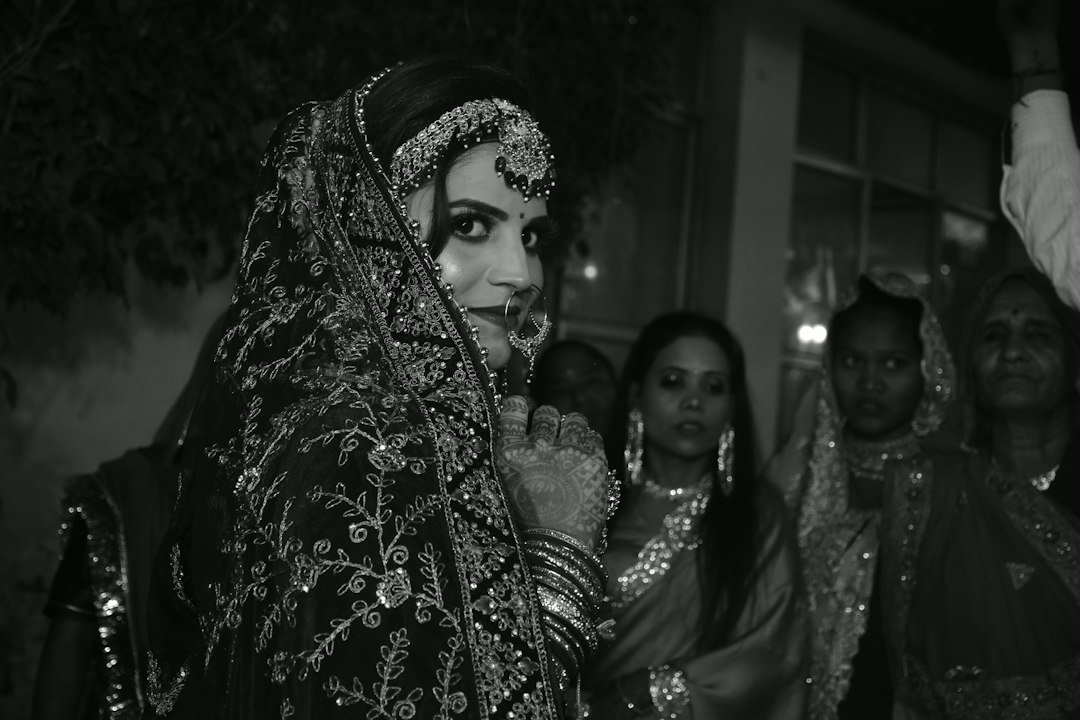
Many people assume a dupatta is just an accessory—but for weddings it often defines the outfit. Here’s the clearest, most practical guide to styling dupattas for weddings and festive events so you can choose the right drape, fabric and fastenings and solve common problems quickly.
Focus keyphrase: styling dupattas appears naturally in this guide to help you pick the right drape and secure it for the whole event.
Best dupatta drape for the occasion—quick answer
If you need one straightforward recommendation: for ceremonies choose a saree-style or fully pleated frontal drape (secure at shoulder and waist) to look formal and stay put; for receptions or dances choose a free-shoulder, single-shoulder or cape-style drape for movement and photography. These options balance appearance and practicality for most wedding moments.
Choosing fabric by the event and outfit
Fabric determines both look and how you’ll drape it:
- Silk or brocade: structured, holds pleats—ideal for formal rituals and bridal looks.
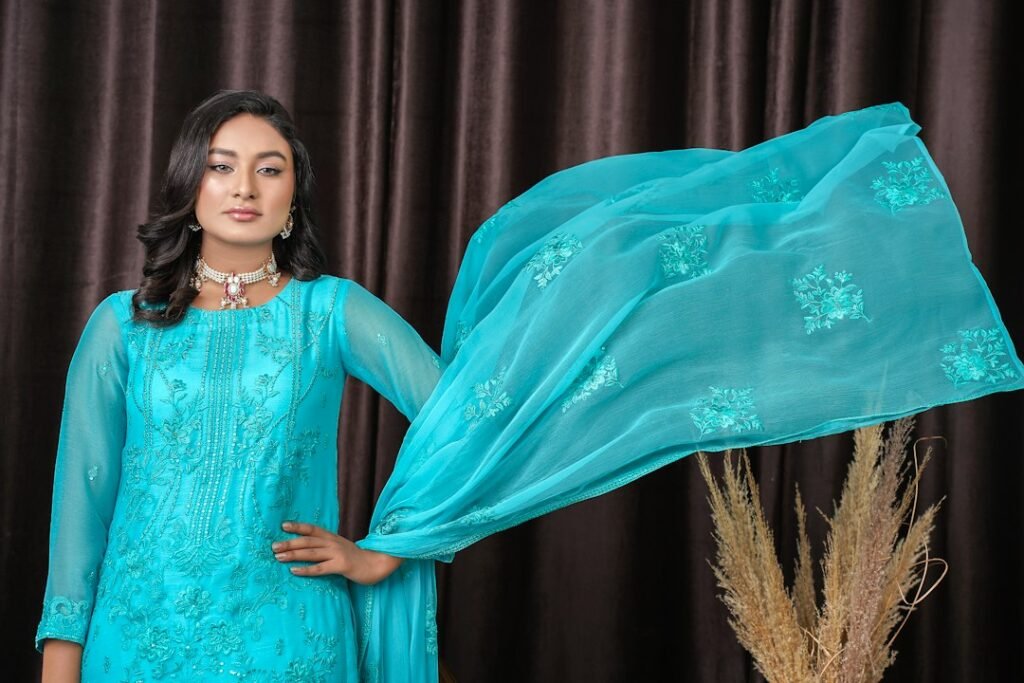
- Net or organza: lightweight, sheer and ideal for layered cape or single-shoulder styles; needs careful pinning.
- Chiffon or georgette: soft, fluid and good for reception drapes that flow during movement.
- Velvet: heavy and luxurious—best for winter weddings and minimal draping (short cape or shoulder wrap).
Practical drapes and when to use them
Saree-style across the torso
What it solves: formal, photographed moments and the need to keep hands free during rituals.
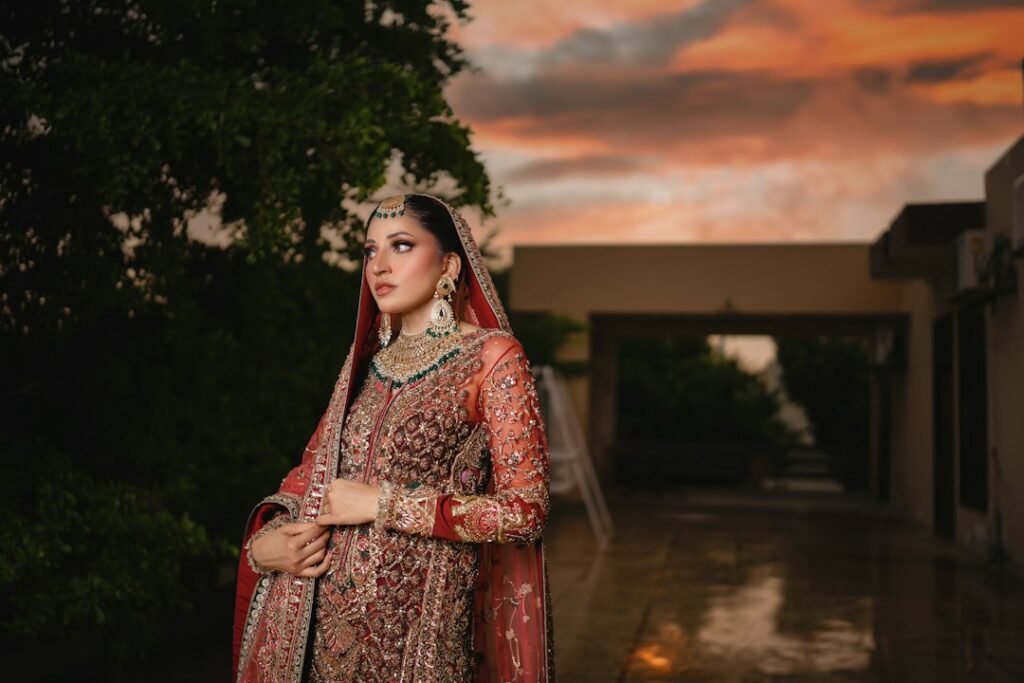
How to do it: pleat the dupatta neatly along its length, tuck or pin one end at the waist, bring across the back and throw the pallu over the opposite shoulder. Secure the shoulder with a decorative brooch and the waist with a hidden safety pin. Works best with silk, brocade or heavily embroidered dupattas.
Front-pleated over the lehenga/skirt
What it solves: clean front silhouette for portraits and easy access to jewelry. Pleat the dupatta into 6–10 even pleats, lay them centrally across the chest, and anchor the top edge to both shoulders or to one shoulder plus the waist. Use a brooch at the top pleat for a focal point.
Single-shoulder and cape drapes
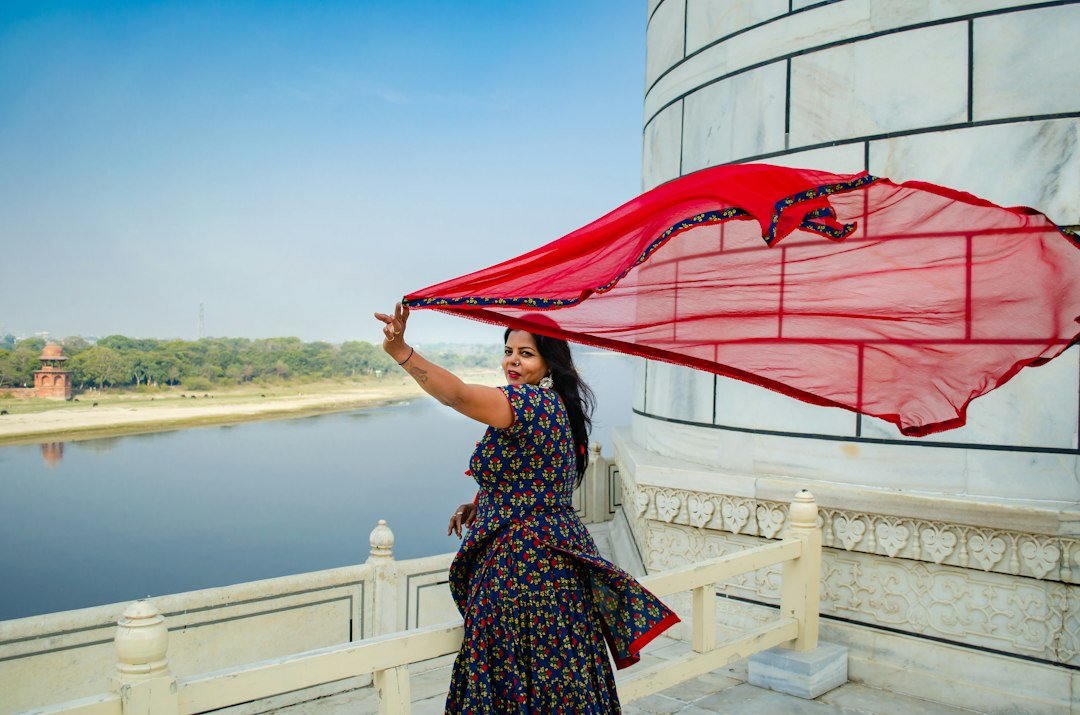
What it solves: movement, dancing and modern reception looks. Throw the dupatta over one shoulder letting it fall freely at the back or convert it into a short cape by tucking one end at the waist inside the skirt. Light fabrics like chiffon or net work best.
Saree-style nivi on lehengas (cross-body) for modesty
Useful when you need extra coverage: bring the dupatta across the chest and pin it at the opposite shoulder, then secure a second pin at the side of the waist so the dupatta won’t slip during standing and sitting.
Secure your drape: pins, brooches and placement
Security is as important as style. Use these practical rules:
- Always use a small safety pin under a seam where possible—hidden against the blouse or skirt lining—to attach the dupatta to the garment, not just to itself.
- For visible anchoring choose a brooch or decorative dupatta pin; place it at the shoulder or where multiple pleats meet so weight distributes evenly.
- When dancing, add a second pin near the waist or inside the skirt to stop the dupatta from flying up.
- Test the anchoring with the exact movements you’ll make (sit, dance, walk stairs) during final fitting.
Product recommendation: If you want a decorative brooch that also secures well, try the WCRAZYE Feather Flower Brooch (ID 2920) — its layered petals and rhinestone accents work beautifully as a visible shoulder anchor and photograph well.
Accessories and finishing touches that matter
- Edge treatments: a zari or stone border looks finished; if your dupatta is heavily bordered, avoid extra heavy necklaces that compete with it.
- Brooch scale: large brooches suit plain fabrics; fine, delicate pins suit embroidered dupattas.
- Pleat width: narrow pleats for a formal look, wider pleats for a relaxed reception vibe.
- Color blocking: use an inner contrast dupatta for layered looks—tuck a smaller coordinated scarf under a sheer dupatta for depth in photographs.
Quick fixes for common problems
- Dupatta keeps slipping off shoulder: add a small silicone strip inside the blouse strap or a discreet safety pin under the shoulder seam.
- Too heavy to manage: shorten the dupatta by tucking excess at the waist or convert it to a half-cape tied at the back.
- Embroidery catching on jewelry: place a soft cloth patch where the necklace touches the dupatta or pin the dupatta slightly away from the neck.
Photogenic tips for ceremony photos
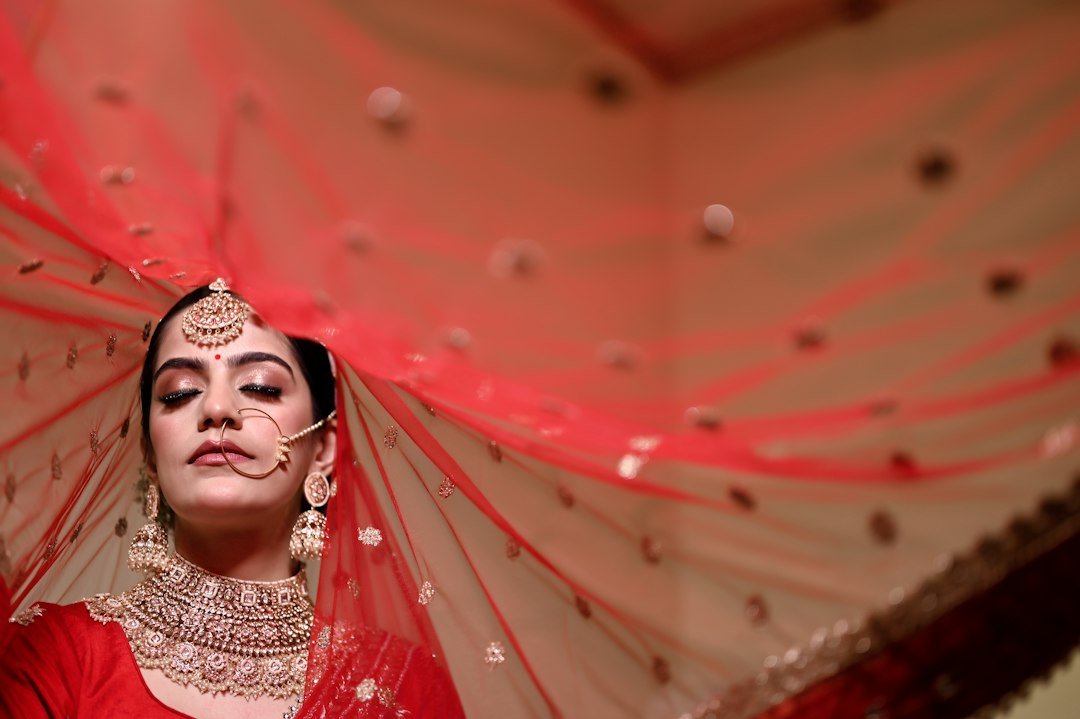
For photos, silk or brocade pleats give crisp shapes; sheer fabrics add romantic movement. Ask your photographer for two shots: one with the dupatta neatly pleated and pinned, and one with it casually thrown back for motion—both styles photograph differently and both are useful.
When to choose a matching clutch or brooch
Coordinate the dupatta’s finish (rhinestones, pearls, feathers) with at least one accessory. If your dupatta has sparkling accents, a rhinestone clutch complements it; if it uses floral appliqué, a feather-flower brooch will echo that theme. For clutch suggestions see our guide to choosing the perfect clutch and our evening bags collection.
Final planning checklist before the event
Do a full dress run-through in the outfit with shoes and jewelry two days before the event, check pins and brooches, and rehearse any difficult movements while someone watches the dupatta to confirm it stays put.
- Confirm fabric and drape choice for each event segment (ceremony vs reception).
- Bring at least two sets of safety pins and the decorative brooch you’ll use.
- Do a movement test with dancing and sitting; add a waist pin if needed.
- Coordinate one accessory (clutch or brooch) to the dupatta’s finish.
Styling dupattas successfully is a mix of choosing the right fabric for the drape, securing it with hidden pins plus a decorative brooch, and rehearsing movement. Favor saree-style or frontal pleats for formal rituals and freer single-shoulder or cape drapes for reception energy.
How many pins should I use to secure a dupatta?
Use at least two: one hidden safety pin at the blouse or waist and one decorative brooch at the shoulder; add a third at the waist for dancing.
Which dupatta drape is most photogenic?
Front-pleated or saree-style drapes give crisp, formal silhouettes; sheer cape or single-shoulder drapes capture motion and soft lines in photographs.
Can I convert a heavy dupatta for reception ease?
Yes—tuck excess at the waist to shorten it or switch it into a short cape pinned at the shoulders to reduce weight while keeping the look cohesive.
What brooch style works with embroidered dupattas?
Choose a smaller, refined brooch so it doesn’t compete with the embroidery; larger brooches work best on plainer fabrics.