




 Contact Us

Why a few thoughtful accessories matter more than many small ones
Most people assume accessorizing means piling on jewellery. The faster way to elevate a simple Pakistani outfit is to add a few pieces that introduce contrast in scale, texture or colour: one bold jewellery item, one structured bag, a defined shoe, and one practical pin or hair detail. These targeted choices change how the outfit reads without competing with traditional silhouette or fabric.
Answer: 10 accessories for Pakistani outfit that transform a simple look
Below are ten specific accessories, why each works, how to pair it, and a short note about when to skip it.
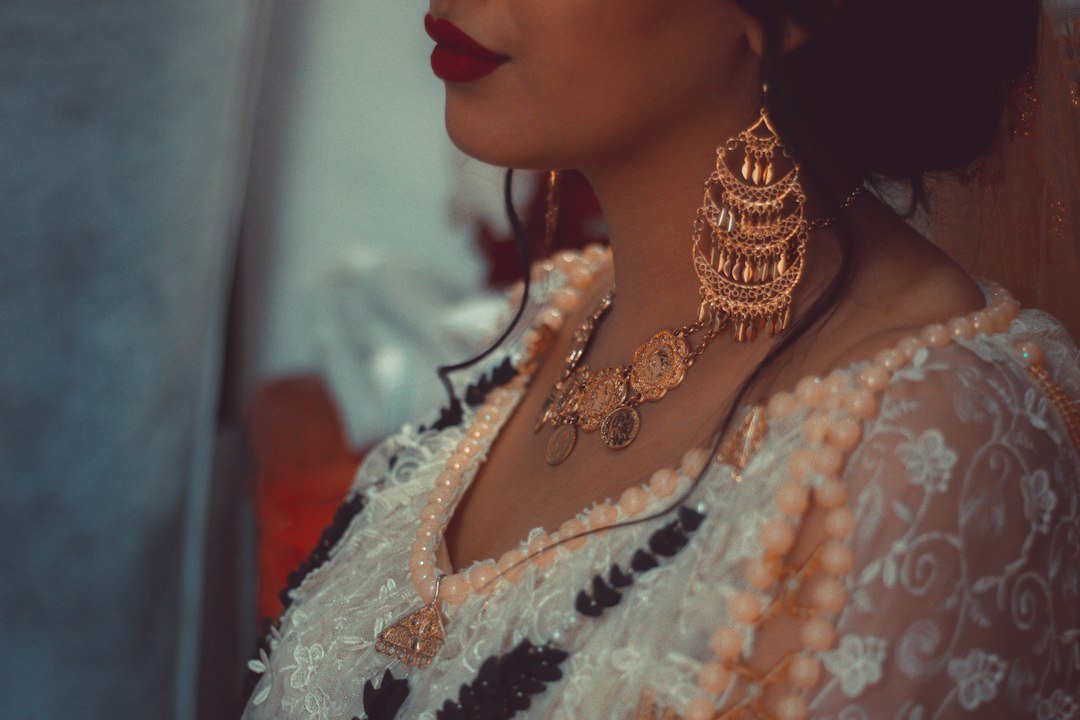
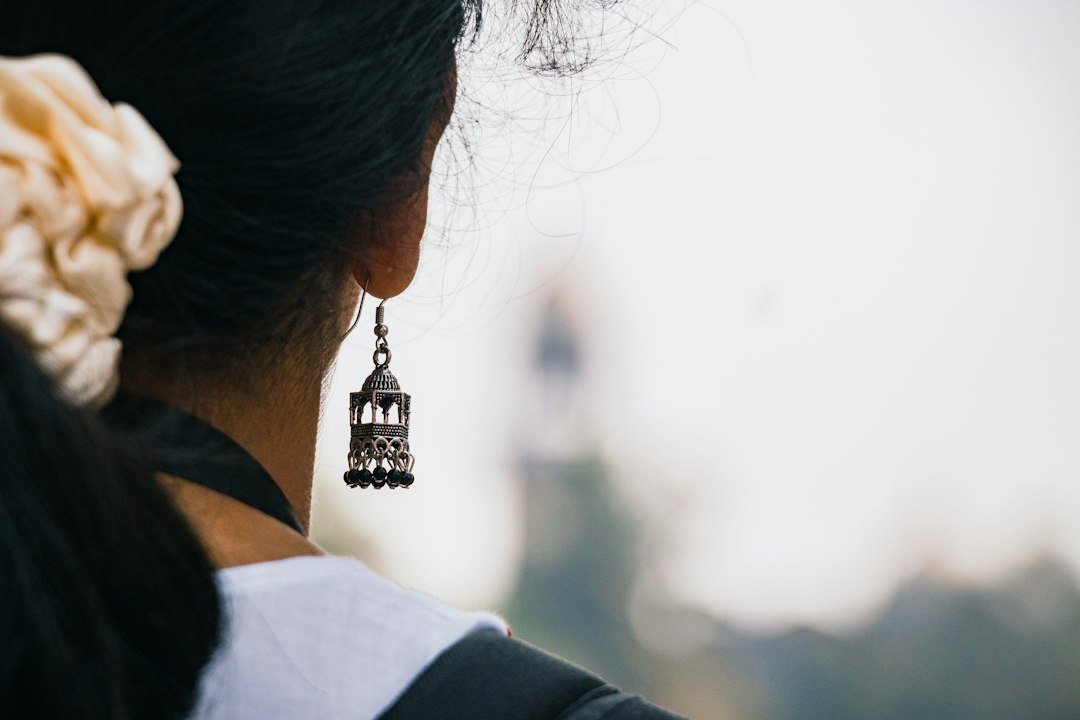
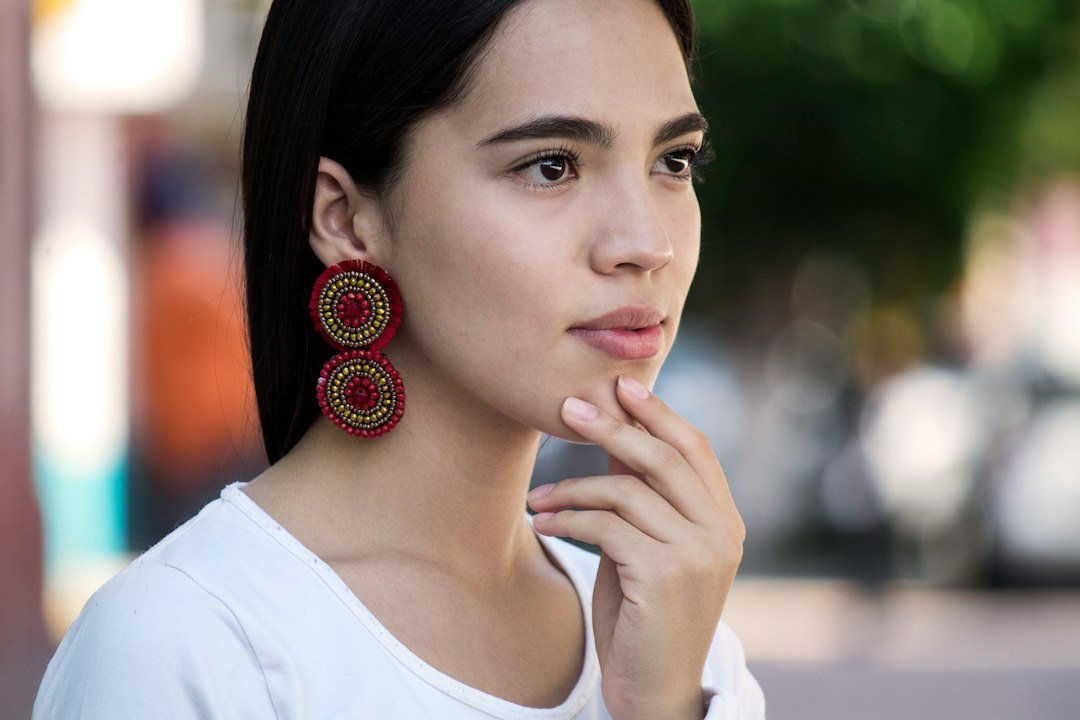
1. Statement earrings (jhumkas, chandbalis or modern drops)
Why: Large earrings immediately draw the eye to your face and lift a plain neckline. Pair with a simple kurta or straight kameez to create balance.
How to wear: If your outfit has heavy embroidery near the chest, choose a single-material geometric drop instead of ornate jhumkas. For high necklines, prefer long danglers that sit outside the collar.
2. A structured clutch or minaudière
Why: A small but solid clutch reads more intentional than a soft slouchy bag. It provides a focal point and keeps the look polished for evening events.
How to wear: Match the clutch's metal detail (gold, silver or gunmetal) with your jewellery. For daytime wear, a woven or embroidered clutch adds texture without formality.
3. Dupatta pin or decorative brooch
Why: A good dupatta pin secures your drape and becomes an accessory itself—especially useful for lightweight chiffons that slip. A single brooch can update a plain dupatta instantly.
How to wear: Pin near the shoulder or use small decorative safety pins along one side to create intentional folds. Skip heavy brooches on thin fabrics to avoid tearing.
4. A defined pair of juttis or embellished sandals
Why: Shoes ground the outfit. Traditional juttis with embroidery or modern sandals with metallic straps add craft and colour at the hem, which matters for cropped and ankle-length silhouettes.
How to wear: Pick juttis with a dominant colour that either matches a small element in the outfit or deliberately contrasts (e.g., teal shoes with a rust kurta). For long-heavy shararas, choose simpler footwear to avoid visual clutter.
5. Layered necklaces or a single long lariat
Why: Necklines benefit from scale—delicate layered chains suit V-necks, while a single long lariat complements high necks or plain panels.
How to wear: Keep necklace style consistent with earrings (both metallic or both pearl) unless you’re deliberately mixing metals as a style choice. Avoid heavy chokers with ornate neck embroideries.
6. Stacked bangles or a bold cuff
Why: Arms in full-sleeve kurtas can look static; bracelets add rhythm and movement. Bangles are traditional, while a sleek cuff reads modern.
How to wear: Match bracelet metal to other accessories. If wearing intricate mehndi or detailed sleeves, limit to one cuff or three thin bangles to avoid overcrowding.
7. Hair accessories: combs, pins and pearl ties
Why: A decorated hair comb or pearl hair ties elevate simple hairstyles—low bun, half-up or loose waves—and look especially polished for semi-formal events.
How to wear: Use pearl or gold-toned pins for formal settings; elastic pearl ties or decorative scrunchies are better for daytime. Secure them well if your dupatta will be worn over the hair.
8. Anklet (payal) or toe-rings for cropped hems
Why: When your hem reveals the ankle, a delicate anklet adds traditional charm that reads intentional rather than accidental.
How to wear: Choose a thin silver or gold anklet depending on your jewellery tone. Skip if you’re wearing closed shoes that hide the detail.
9. A waist belt or kamarbandh
Why: A slim belt shapes loose kurtas and kurta-dress silhouettes; a kamarbandh is an elegant option for festive looks and helps define the waist under a dupatta.
How to wear: Use a minimalist metallic belt for contemporary looks; a beaded kamarbandh suits lighter fabrics and embellishments. Avoid belts with heavy hardware on delicate chiffons.
10. Sunglasses with intentional shape
Why: For daytime events—especially outdoor weddings or festive markets—sunglasses add an immediate style layer and protect eyes. The right frame lifts a basic kurta without competing with jewellery.
How to wear: Choose frames that contrast the face shape (round frames for square faces, angular frames for round faces). Remove them indoors; they should be an outdoor accessory.
Product note: If you want one versatile jewellery piece that works from casual to dressy, consider a long delicate necklace like the linked product—its length suits plain kurtas, layerable looks and modern lariats.
How to choose which accessories to add for a specific occasion
Quick approach: decide the event tone (casual, daytime formal, evening formal), then pick one “anchor” accessory (earrings, clutch, shoes or belt) and one “support” piece (pin, bracelet or hair accessory). For casual daytime, prefer texture and comfort; for evening formal, prioritise polished metals and balance with simpler fabrics.
Exceptions and when less is more
A heavily embroidered or sequined outfit often needs only a single accessory—typically a pair of understated earrings or a small clutch—so the embroidery remains the focal point. Similarly, when wearing bright prints, pick accessories in neutral metallics or one repeated colour from the print.
- Decide event tone: casual, daytime formal, or evening.
- Pick one anchor accessory (earrings, clutch, shoes, or belt).
- Choose one support piece (pin, bracelet, hair accessory).
- Match a metal or colour across accessories for cohesion.
- Avoid heavy jewellery with heavily embroidered necklines.
Elevating a simple Pakistani outfit is about intentional contrast: one prominent accessory plus one or two smaller, supporting pieces. Prioritise scale and material harmony, and let the garment’s silhouette remain the base for styling choices.
Can I mix gold and silver with Pakistani outfits?
Yes—mixing works if done on purpose: use one dominant metal and small touches of the other, or repeat a small element (buttons, clutch hardware) to tie them together.
What accessories are best for a plain white kurta?
White is a blank canvas; choose one colourful statement earring, a patterned clutch, or stacked bangles to introduce contrast without overpowering the look.
How do I accessorize if my dupatta has heavy embroidery?
Keep jewellery minimal—small studs or a delicate chain—and use a simple dupatta pin; let the dupatta remain the focal point.
Are hair accessories appropriate for formal Pakistani events?
Yes—subtle combs, pearl pins or decorative hair ties work well for formal settings; keep them matched to other metallic or pearl accents in your outfit.
Which accessory should I prioritize for daytime outdoor events?
Prioritise sunglasses that flatter your face and comfortable embellished footwear; add lightweight jewellery for polish rather than heavy pieces.