




 Contact Us

Start with the result you want: polished, not theatrical
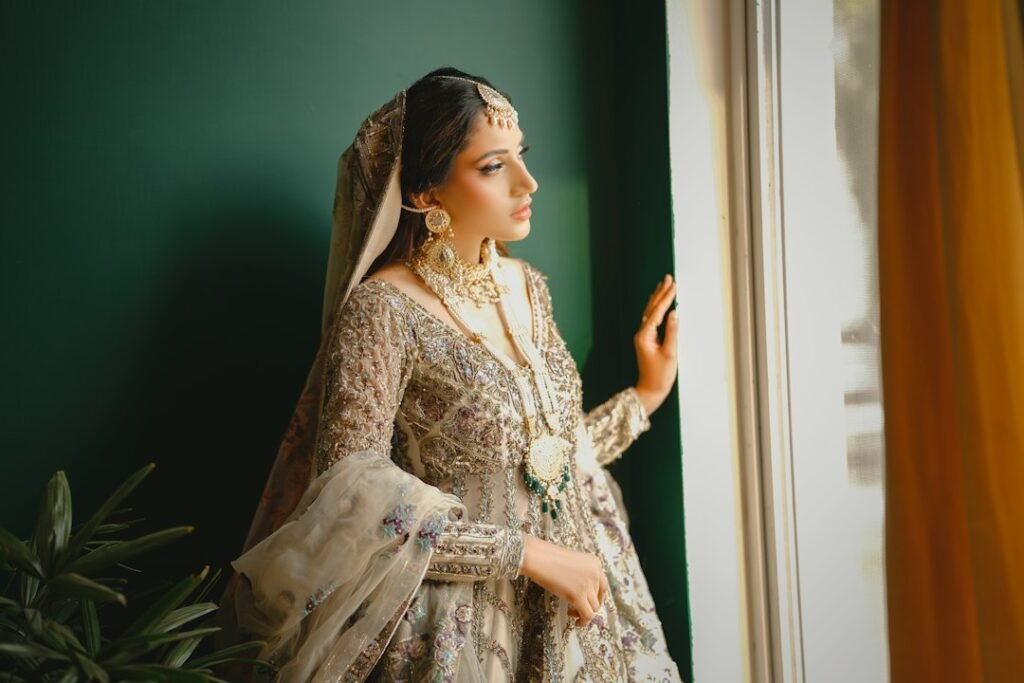
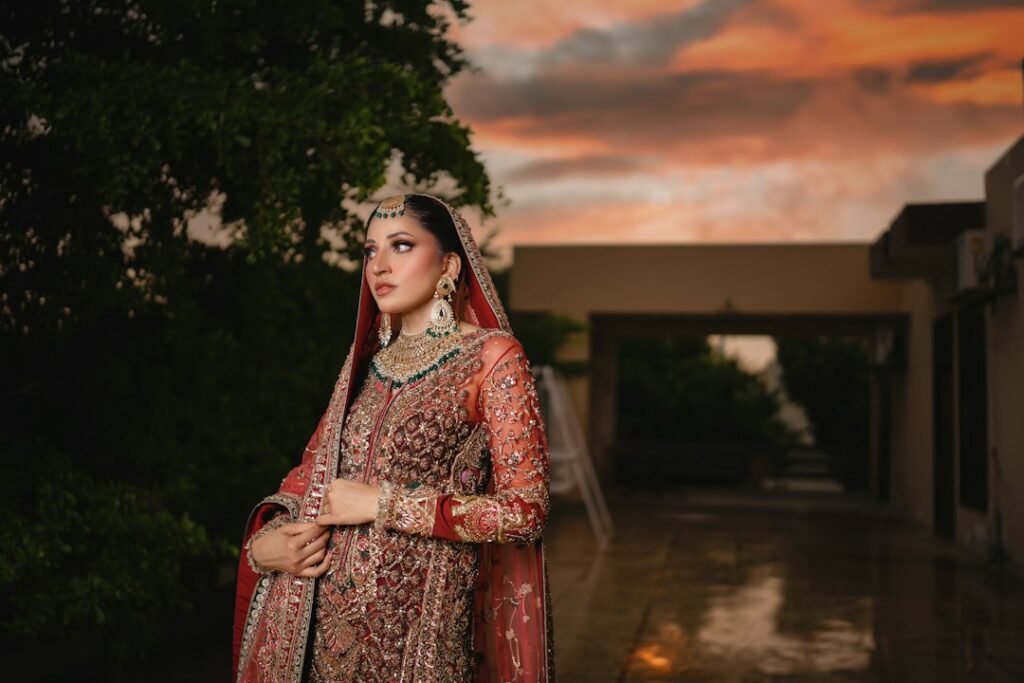
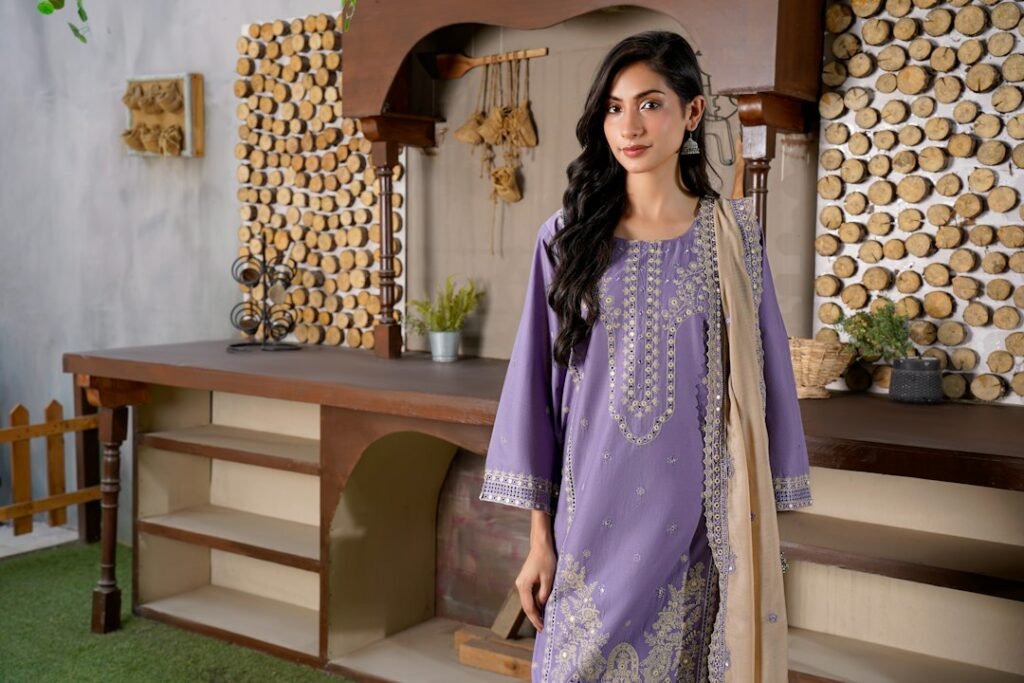
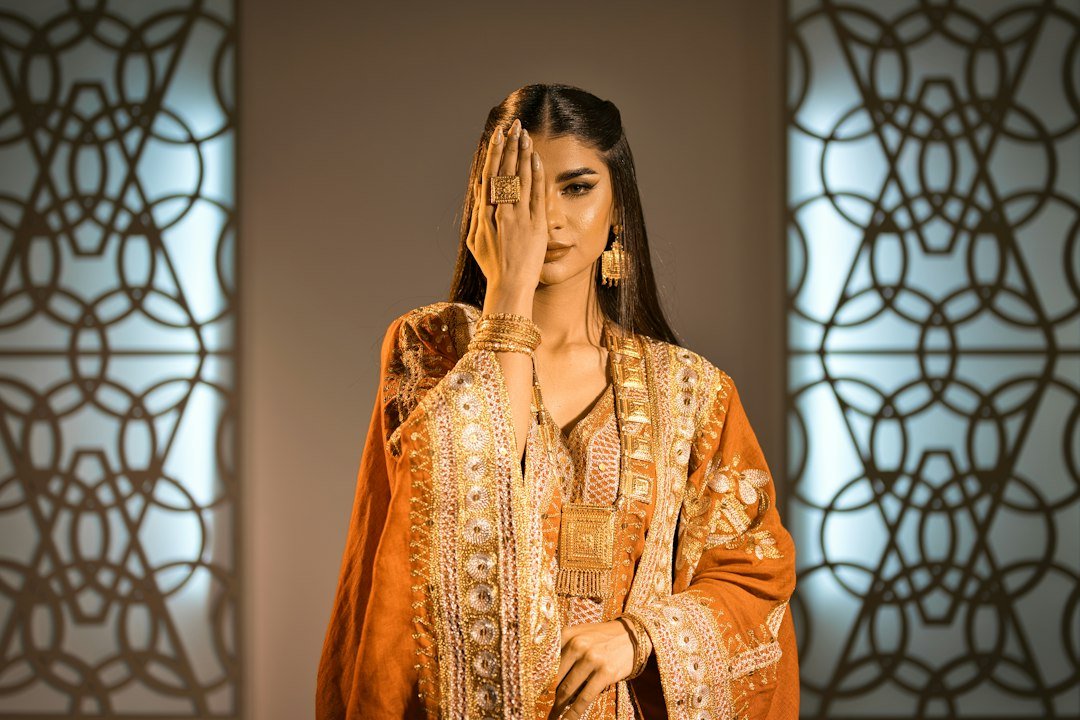
If your aim is to look thoughtfully dressed as a Pakistani wedding guest—respectful of tradition but not competing with the bride—focus on a single focal area and keep the rest restrained. Accessorize a Pakistani wedding outfit by choosing one dominant accent (jewelry, dupatta styling, hairpiece or clutch), then balance supporting pieces so the overall look reads cohesive rather than cluttered.
Match your accessory strategy to the outfit’s visual weight
Before you pick anything, assess the outfit: is the kameez heavily embroidered, sequined, or beaded? Is the color bold or soft? Heavy embellishment on the garment itself calls for lighter accessories; a simpler suit gives you room for a stronger statement piece.
- Heavily embroidered or full zardozi work: aim for subtle jewelry (studs, thin bangles), a plain clutch and a simple dupatta drape.
- Minimal or solid-color outfit: use one striking element—statement earrings, an embellished dupatta, or a bold clutch.
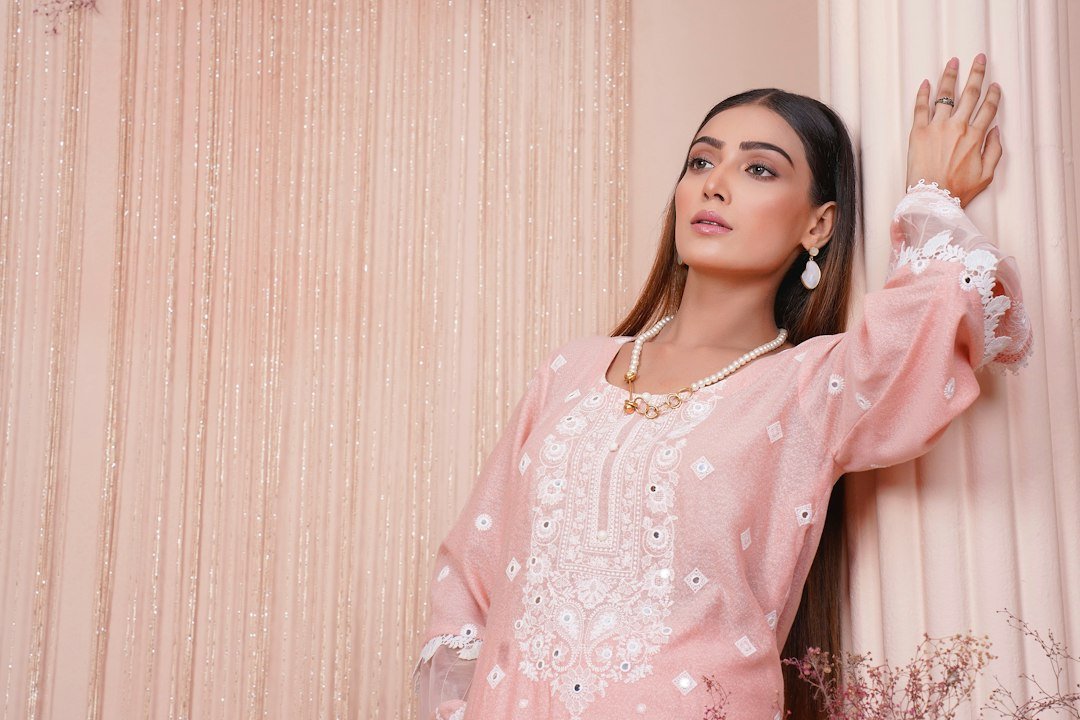
- Mid-weight embroidery: choose moderate accents like a single cocktail ring plus delicate necklace or a small matha patti and neat bun.
Choose your focal accessory first
Decide which single accessory will be the star. Common choices that create strong but tasteful focus include:
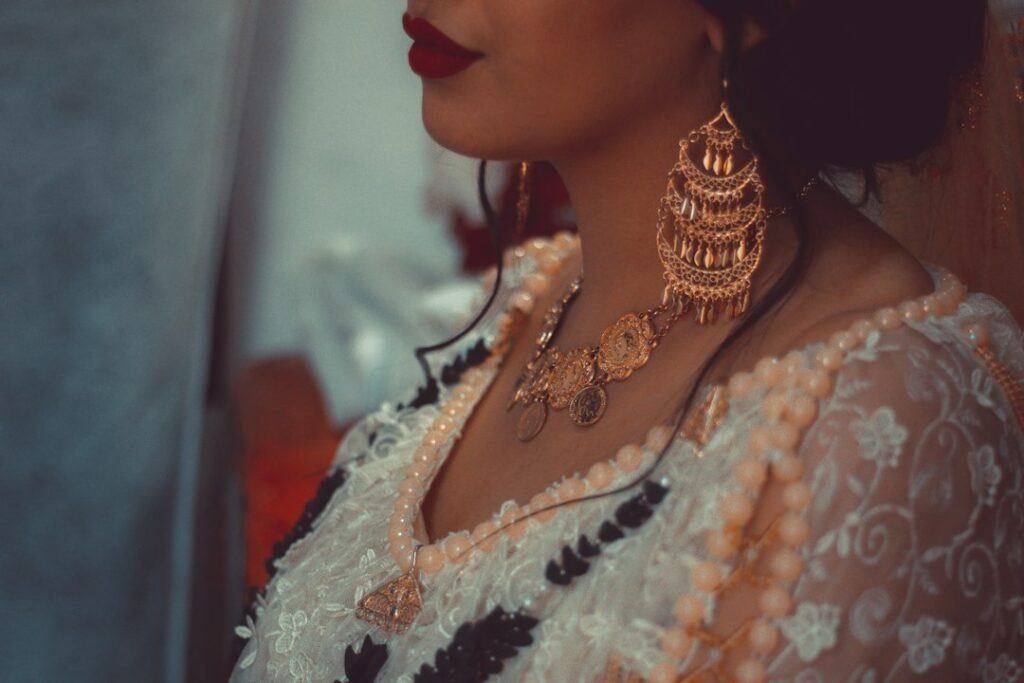
- Statement earrings (jhumkas or chandbalis) paired with no necklace.
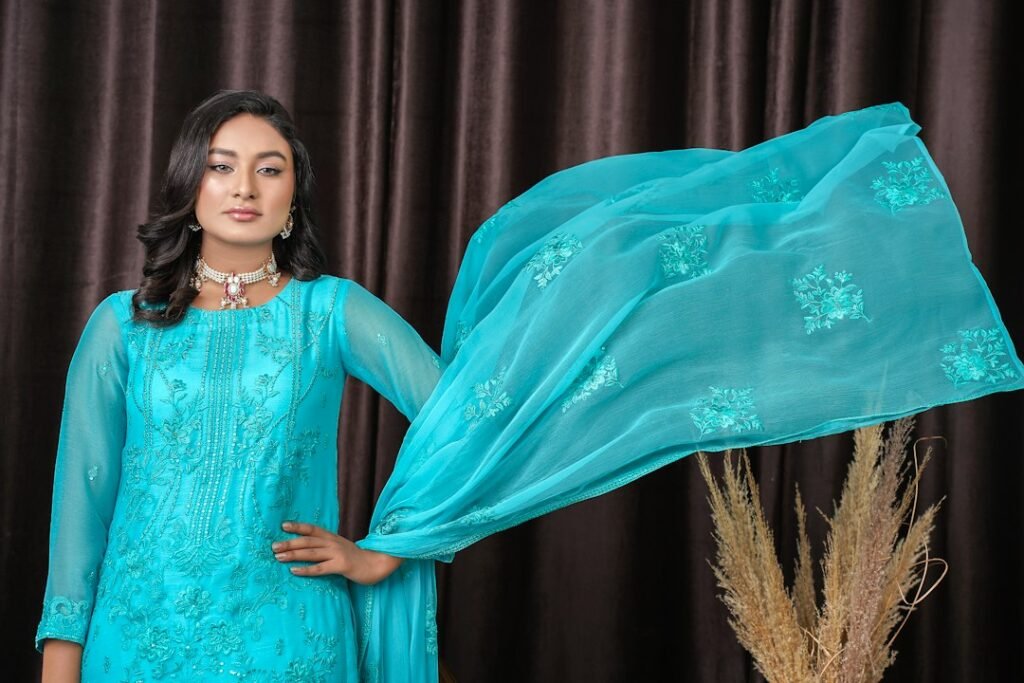
- An embellished dupatta or shawl drape that adds texture and color.
- A decorative hairpiece for an updo.
- A standout clutch that ties two outfit colors together.
Make that item the most visually prominent; everything else should support it with scale, color or finish, not compete for attention.
How to balance jewelry without overdoing it
If you choose jewelry as your focal point, follow these proportion rules:
- Statement earrings: skip a heavy necklace. If you want neck adornment, choose a fine chain with a tiny pendant or a short choker only if the neckline allows it.
- Bold necklace or collar piece: avoid large earrings; wear small studs and keep hair pulled back if possible so the necklace reads cleanly.
- Rings and bracelets: one or two rings per hand and a single bracelet or kada will usually suffice. Stack only if the outfit is very understated.
- Mixing metal tones: limit to two tone families (gold+rose gold or silver+antique) to avoid a fragmented look.
Dupatta styling as an accessory: make it deliberate
A dupatta is both a garment and an accessory. The way you drape it sets tone:
- Over-one-shoulder drape: elegant and shows off earrings and neckline; good with statement jewelry.
- Front-cover drape (both shoulders): more traditional and modest—pair with minimal jewelry to avoid a heavy silhouette.
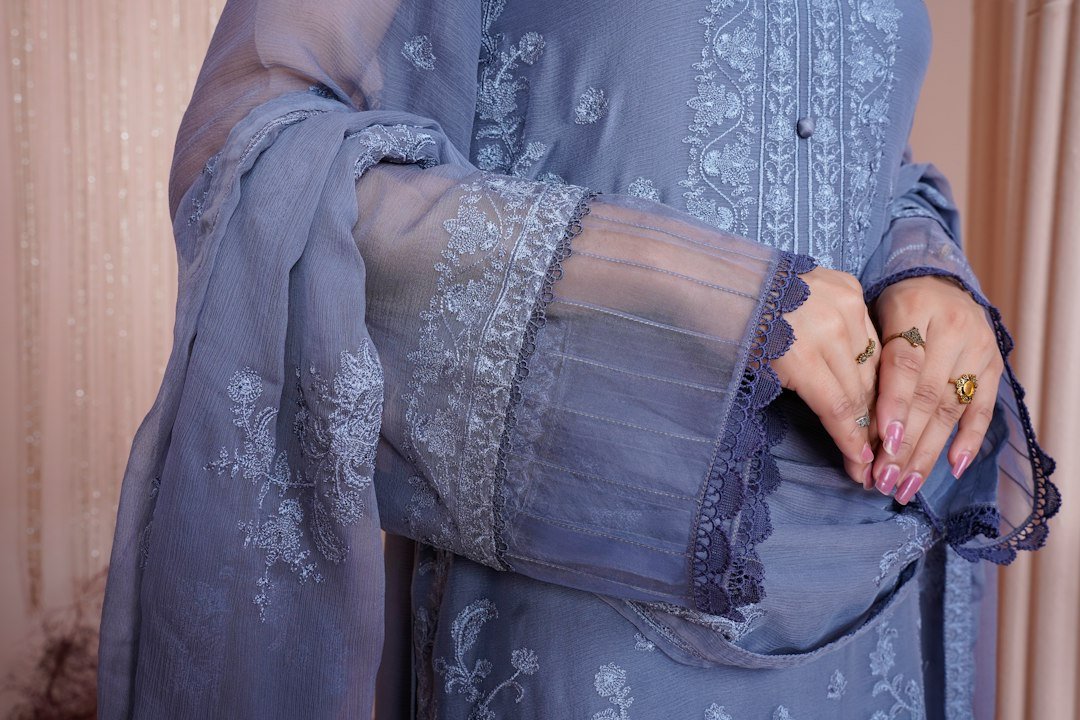
- Half-pleated pinned drape: keeps movement tidy and highlights a decorative border; ideal for embroidered edges.
Match the dupatta’s texture to your focal piece: if it has heavy gota or sequin borders, keep jewelry lighter.
Shoes and clutch: small items, big impact
Shoes and clutch should harmonize with the outfit’s tone. If your outfit is full-length (gharara, sharara, palazzo), comfort and silhouette matter as much as color.
- Embellished mojari or low block heel: works with heavy outfits and long hems; choose a neutral metallic or a color that appears in your embroidery.
- Slim strappy heel: suits modern, less-embroidered looks; avoid when walking long distances.
- Clutch size: small to medium—enough for phone, lip color and tissues. A heavily beaded clutch pairs well with simpler outfits; a plain leather or satin clutch grounds more ornate ensembles.
When in doubt, a muted metallic clutch (champagne, pewter, antique gold) is a safe, dressy choice.
Hair and makeup that complete, not compete
Let hair and makeup support your focal accessory. Practical choices:
- Statement earrings → hair up in a low bun or half-up style to reveal them.
- Decorative hairpiece → sleek bun or braid to give the piece a clean frame.
- Embellished neckline or necklace → soft waves or ponytail that keeps the neck visible.
- Makeup: if the outfit is highly ornate, favor a balanced face—defined eyes with neutral lips or a bold lip with softer eye makeup, not both at full drama.
Accessory troubleshooting and quick fixes
- If you feel over-accessorized in photos: remove one item (often a necklace or a bracelet) and retake. Less reads better digitally.
- If a clutch or earrings clash: look for a small linking detail to harmonize them—swap in a neutral shoe or add a tiny matching pin to the clutch.
- If your dupatta keeps slipping: use small safety pins under the fabric at the shoulder—hidden but effective.
- If the venue is outdoors and humid: prefer pinned dupatta styles and choose hair products that resist frizz rather than adding more accessories to control look.
When to add a product: a single recommended solution
If you want one versatile, guest-appropriate jewelry set that complements a range of Pakistani outfits without overwhelming them, choose a balanced three-piece set—earrings, a simple necklace, and a bracelet—that leans refined rather than bridal. This gives you mix-and-match flexibility for different focal strategies.
Putting it together: an example plan for three common looks
- Embroidered gharara in deep maroon: Focal → embroidered dupatta drape over one shoulder; Supporting → small gold studs, single kada, champagne clutch, embellished mojari.
- Pastel straight kameez with minimal borders: Focal → oversized jhumkas; Supporting → fine chain necklace (optional), two slim rings, neutral block heels, satin clutch.
- Solid-color sharara with statement neckline: Focal → short collar necklace; Supporting → tiny studs, low bun with hair vine tucked in, metallic clutch, low heels.
- Identify the outfit’s visual weight: heavy, medium, or light embroidery.
- Choose one focal accessory and limit competing pieces to two small supporters.
- Match metal tones and limit to two families at most.
- Decide dupatta drape that flatters neckline and chosen jewelry.
- Pack a neutral clutch with essentials and spare pins for dupatta.
- Test photos briefly to confirm the look isn’t visually busy.
Accessorizing a Pakistani wedding guest outfit is about controlled emphasis: pick one standout element, harmonize supporting pieces, and let the garment’s detail determine the accessory density. This produces a composed, respectful look that photographs well and feels comfortable all day.
Can I wear both statement earrings and a necklace?
Yes, but only if the necklace is delicate and the neckline needs balance; avoid large collar necklaces with oversized earrings to prevent visual competition.
How do I accessorize when the bride’s outfit is more ornate?
Play it low-key: choose one modest accessory, favor muted metals, and avoid bridal-style headpieces or very bright colors that could draw attention.
Are hairpieces appropriate for guests?
Small, tasteful hair vines or pins are fine; reserve elaborate matha pattis or heavy maang tikkas for close family members or bridesmaids to avoid overshadowing the bridal party.
What clutch size is best for a wedding event?
A small-to-medium clutch that fits your phone, lip color, compact, and tissues is ideal; anything larger starts to look less formal with a dressy outfit.
How do I prevent my dupatta from looking messy during dancing?
Pin one end discreetly at the shoulder and consider a half-pleated drape so it stays secure during movement while still showing off embellishment.