




 Contact Us

Short answer: choose jewelry that matches the embroidery’s scale, metal tone and color accents—delicate pieces for fine threadwork (chikankari, resham), mid-weight for moderate embellishment, and bold, ornate sets for dense zardozi/embellished bridal pieces. Let the dress dictate the statement: balance rather than compete.
That quick rule answers most outfit dilemmas, but the real decisions are practical: which piece to prioritize, when to match stones vs. metals, how to handle the dupatta, and what to wear for different occasions. Below is a compact, actionable guide that walks through those choices and gives concrete pairing examples you can use immediately.
How to read the dress so you pick the right jewelry
Three visual cues should decide everything: the embroidery’s density (sparse, medium, heavy), the dominant colors or stone accents, and the neckline or focal point.
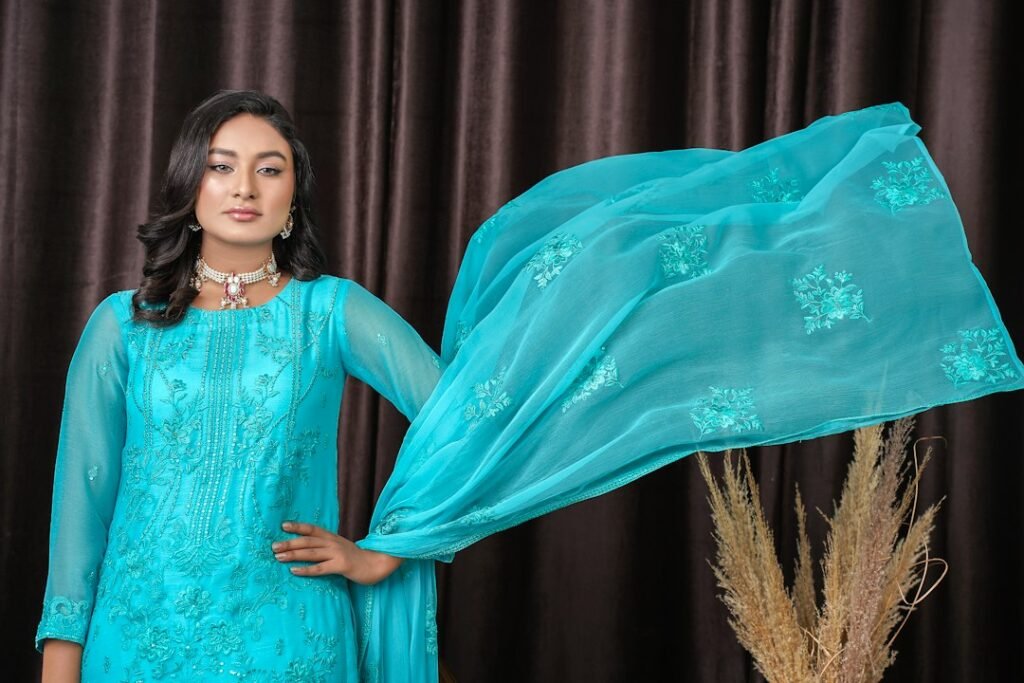
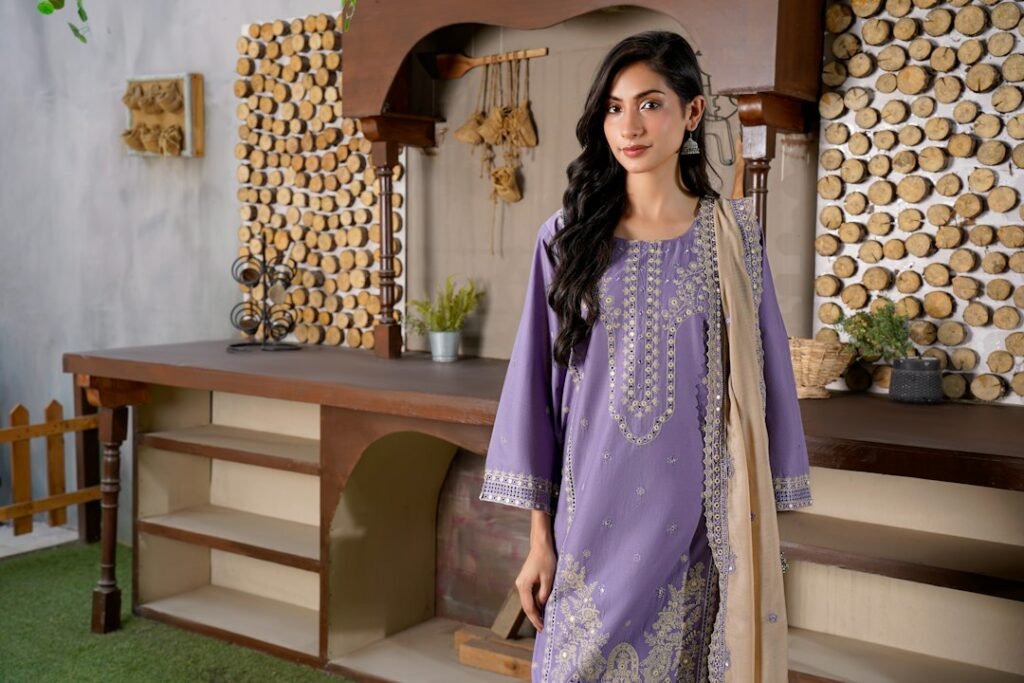
- Density: Fine, airy embroidery (example: chikankari or light resham) looks best with delicate jewelry—thin chains, studs, small hoops or single-stone pendants. Heavy embroidery (zardozi, dabka, sequins) needs stronger, statement jewelry to match the visual weight.
- Coloring: If the embroidery includes gold thread or metallic beads, favor warm metals (gold, rose gold). Silver or pewter threads pair with white metals or oxidized silver. When colored stones are present, echo them in a single focal piece rather than matching every hue.
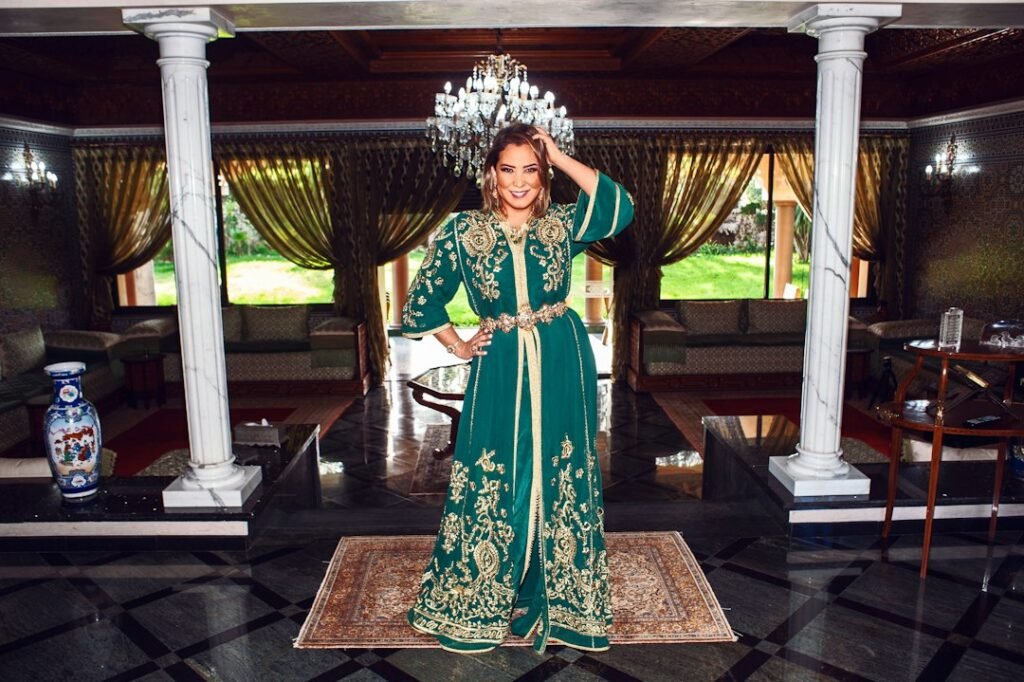
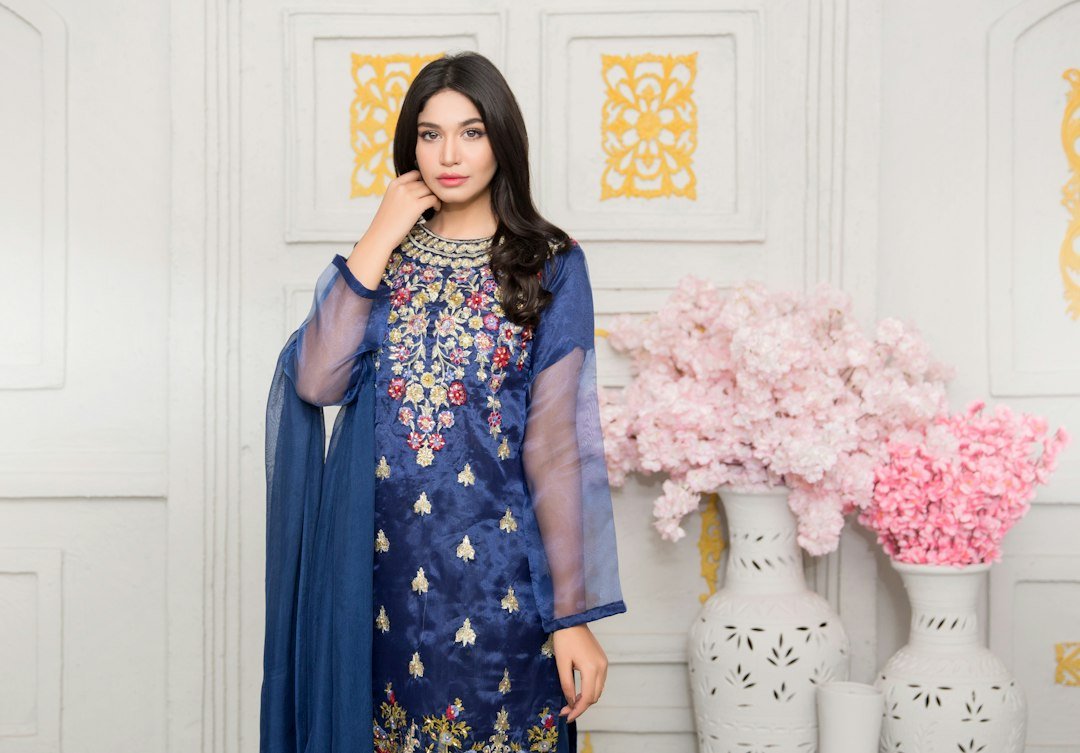
- Focal point: If the neckline, bodice or dupatta border is the centerpiece, let jewelry support—not overshadow—that area. For example, a heavily embroidered neckline usually means skip the necklace and choose dramatic earrings instead.
Necklaces: when to wear, when to skip
Think proportion and neckline.
- High or heavily embroidered necklines (standing collars, deep zardozi work): skip necklaces or wear a thin, short chain that sits above the embroidery. A choker can work only if it mirrors the embroidery style and fits without crowding.
- V-necks, scooped, or open necklines: choose a necklace that follows the shape—delicate pendants for light embroidery, medium-length kundan or pearl necklaces for moderate work, and wide bib or layered necklaces for heavy, plain fabric with minimal neck embroidery.
- Tip for brides: when the bodice is heavily decorated, prioritize a strong neckpiece if the neckline is open; otherwise, choose a maang tikka and earrings combination instead.
Earrings and the rule of scale
Earrings are the easiest way to balance embroidered dresses because they sit away from the fabric’s surface:
- For light embroidery: small studs, delicate jhumkas or drop earrings preserve the dress’s softness.
- For medium embroidery: go for medium jhumkas, chandbalis or small chandeliers that add presence without overwhelm.
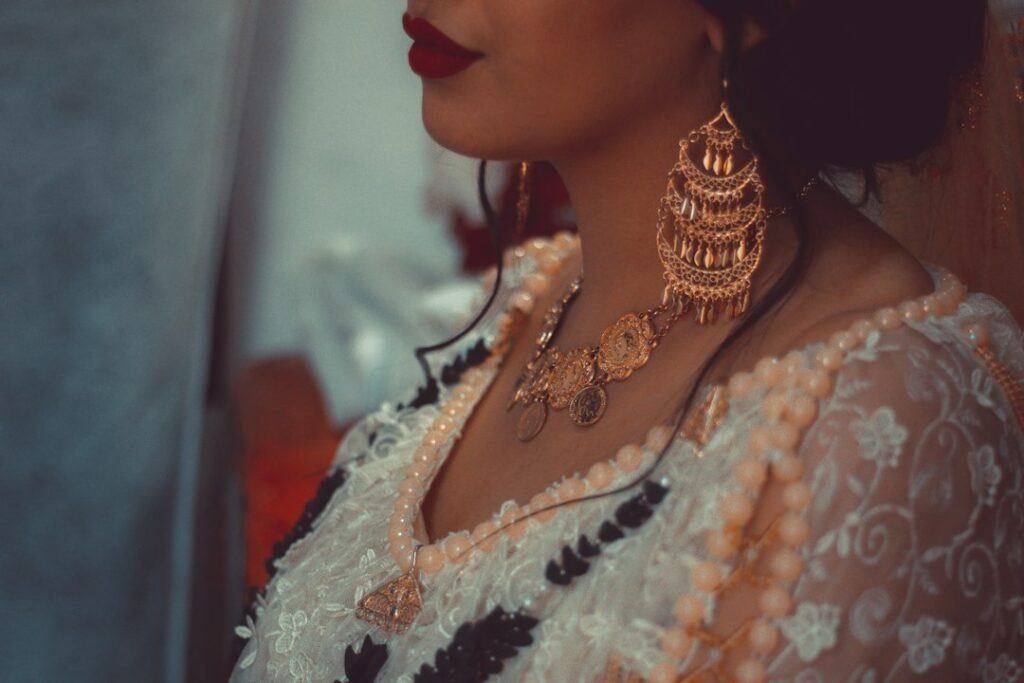
- For heavy embroidery: large jhumkas, statement chandeliers or long danglers are appropriate—especially when the necklace is minimal or absent.
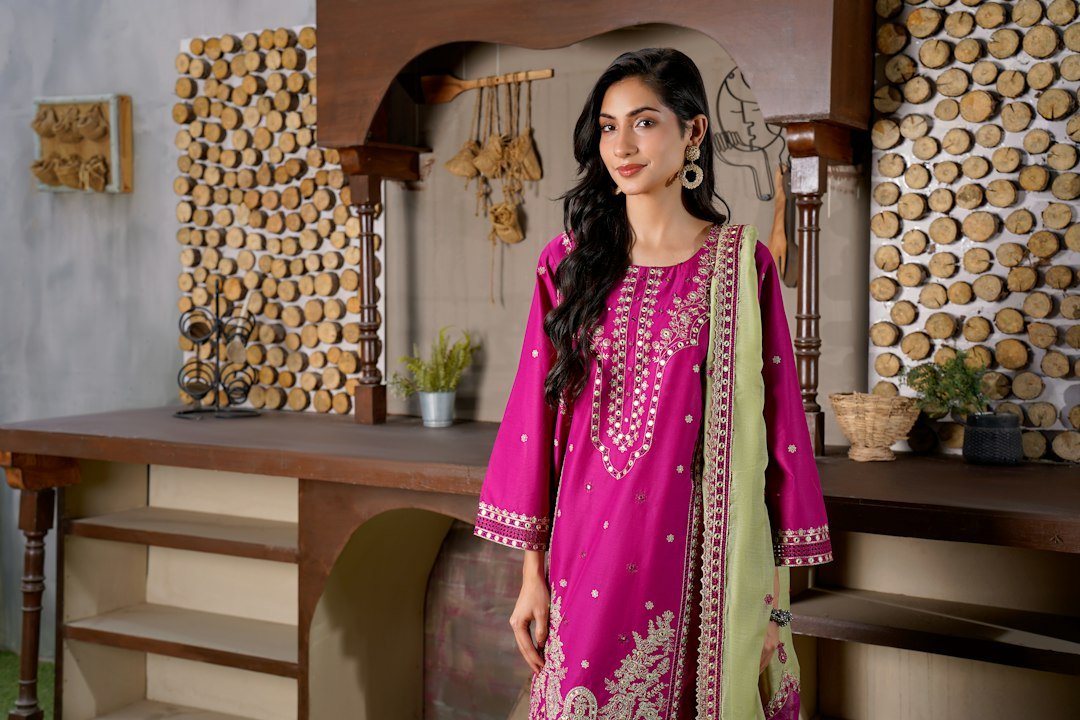
Rings, bracelets and bangles: texture and repeat
These pieces are supportive accents and are where you can repeat a motif or texture from the embroidery.
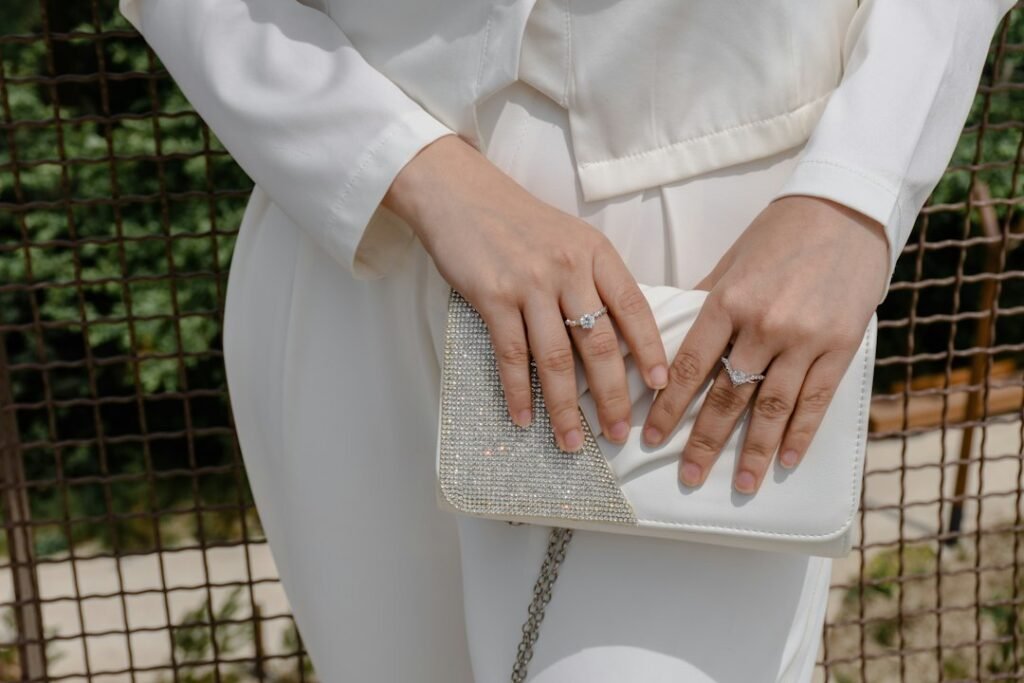
- If the sleeves or cuffs are intricately embroidered, keep rings and bracelets slim so they don’t fight the embroidery. A single statement ring with fine bracelets works well.
- For plain sleeves and heavy embroidery elsewhere, stack bangles or wear a cuff that picks up the embroidery’s metal or stone. Avoid too many textures—mirror one material (pearls, kundan, or gold) across rings and bracelets for cohesion.
Hair jewelry and dupatta pins: finishing touches
Hair jewelry (matha patti, passa, hairpins) and dupatta brooches are small but powerful. Use them to anchor the outfit:
- When the dupatta is heavily embroidered along the border, secure it with an elegant brooch that complements the embroidery color; avoid oversized brooches on already-busy borders.
- For bridal or formal looks, a pearl or kundan hairpiece ties the head jewelry into the rest of the set. On lighter daytime embroidered dresses, a small floral brooch or simple pin is enough.
Stone choices: pearls, kundan, rhinestones and colored gems
Match the stone type to the dress mood, not every color.
- Pearls: ideal for delicate white or pastel embroidery—soft, elegant, and daytime-friendly.
- Kundan and polki: suit heavy traditional embroidery and bridal looks; they carry enough presence for zardozi and sequin work.
- Colored stones: echo one dominant color from the embroidery (e.g., emerald green or ruby red) in a single focal piece—earrings or a ring—so it reads as thoughtful, not chaotic.
Practical examples by occasion
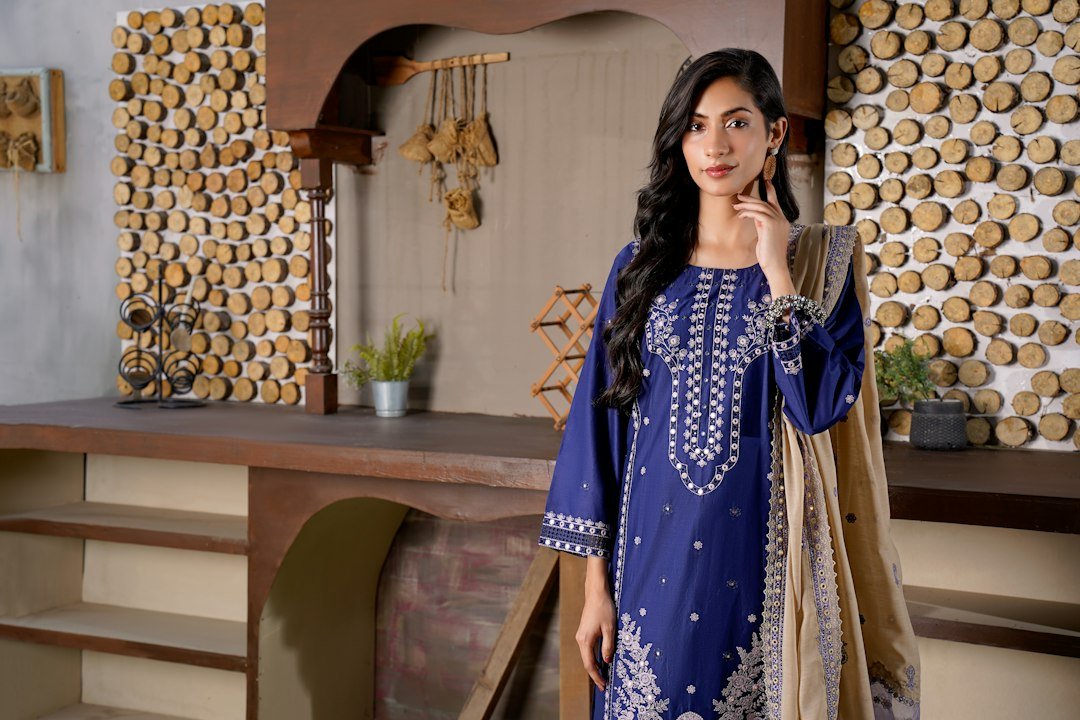
- Casual daywear with light chikankari or resham: fine gold or silver studs, thin chain with a small pendant, slim bangles.
- Semi-formal (wedding guest) with medium embroidery: medium chandbali earrings, short kundan necklace if neckline allows, bracelet set that repeats metal tone.
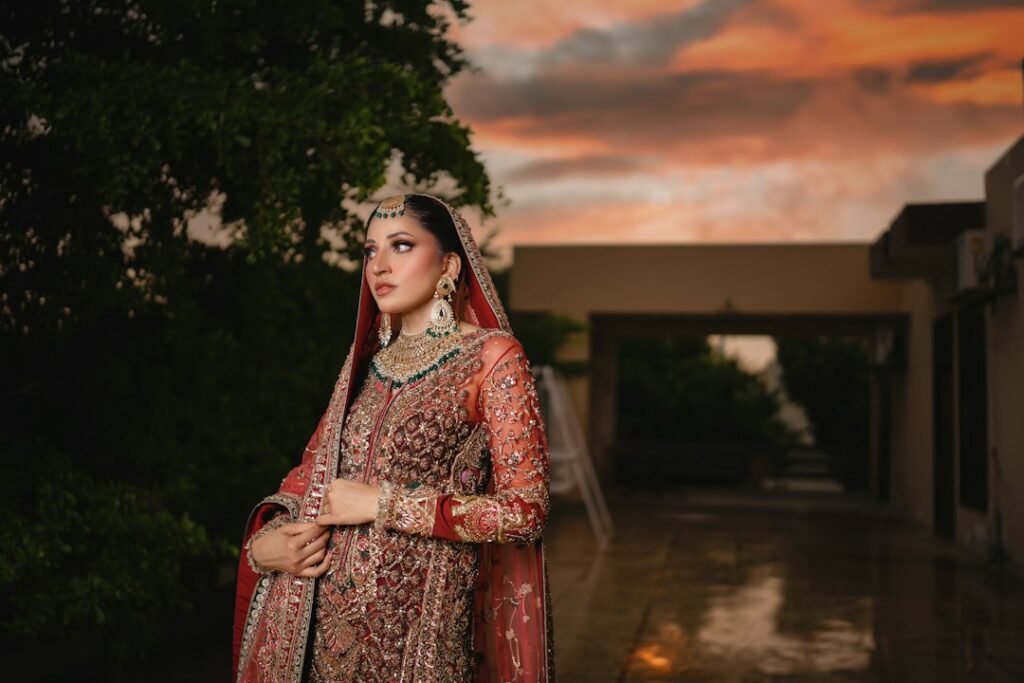
- Bridal with heavy zardozi or sequins: full jewelry set—statement necklace (or collar), large jhumkas, maang tikka, and coordinating bangles; use hair jewelry to balance the head-to-toe look.
When rules can be broken
Stylists intentionally break these rules when creating contrast: a plain dress with a single bold statement earring or a richly embroidered outfit paired with unexpected minimalist jewelry for modernity. Break the rules only when you have a deliberate focal plan—decide what you want attention on and reduce competing elements.
The linked jewelry set is a strong match for heavily embroidered bridal looks where a coordinated rhinestone necklace and earrings lend the necessary weight and sparkle without requiring extensive mix-and-match.
- Identify the embroidery density: light, medium, or heavy.
- Note dominant metal tone or stone color in the embroidery.
- Decide the focal point (neckline, dupatta, or bodice) and avoid crowding it.
- Choose one statement piece (necklace, earrings or hairpiece) and simplify the rest.
- Check sleeve length to plan bracelets and rings comfortably.
- Test the full look in daylight and under event lighting.
Match jewelry to embroidery by scale and color: delicate jewelry for fine threadwork, medium pieces for moderate embellishment, and bold sets for heavy, ornate embroidery. Keep one intentional focal piece and coordinate metal/stone choices for a cohesive result.
Can I mix gold and silver jewelry with embroidered outfits?
You can, but do it sparingly: pick a dominant metal that reflects the embroidery and use the other as a minor accent (for example, silver earrings with a gold-banded bracelet) to avoid visual confusion.
What jewelry works best with a high-neck embroidered kurta?
Skip bulky necklaces; focus on earrings, rings, and hair jewelry. A delicate choker that sits above the embroidery can work if it complements the stitching and doesn’t crowd the neck.
How do I choose jewelry for a pastel embroidered dress?
Pastels pair well with pearls, rose gold, and subtle colored stones. Keep designs refined and avoid oversized, heavy pieces that overpower the softness.
Should brides always wear matching sets with heavily embroidered lehengas?
Matching sets create a cohesive bridal language and are a safe choice for heavy embroidery; however, a deliberately contrasting focal piece (like colored stones) can be a modern alternative if executed with restraint.
Which is better for embroidered sleeves—bangles or bracelets?
If sleeves are heavily embroidered, favor slim bracelets or a single cuff worn above the embroidery; for plain sleeves, stacked bangles add festive rhythm without conflict.