




 Contact Us

What matters at a Nikah—and what you can safely ignore
When deciding what to wear to a Nikah ceremony, the single practical aim is to be respectful, modest and comfortable while letting the setting—religious, often intimate—dictate the formality. Focus on modest silhouettes, covered shoulders and hair where required, neat tailoring, and fabrics that photograph well. Ignore temporary trends that call attention away from the ceremony: extreme cutouts, loud logos, or costume-level sparkle.
Quick decisions to make first
- Who are you in the event? (bride, close family, guest) — closeness guides formality and ornamentation.
- Venue and timing — mosque, home or hall; day or evening—light fabrics for daytime, richer textures after sunset.
- Expected dress code or cultural customs — check with the hosts if unsure about color or head-cover norms.
Silhouettes that work for most Nikah ceremonies
Choose one clear silhouette and commit to it rather than mixing competing trends. Each silhouette below fits modesty requirements while offering different vibes.
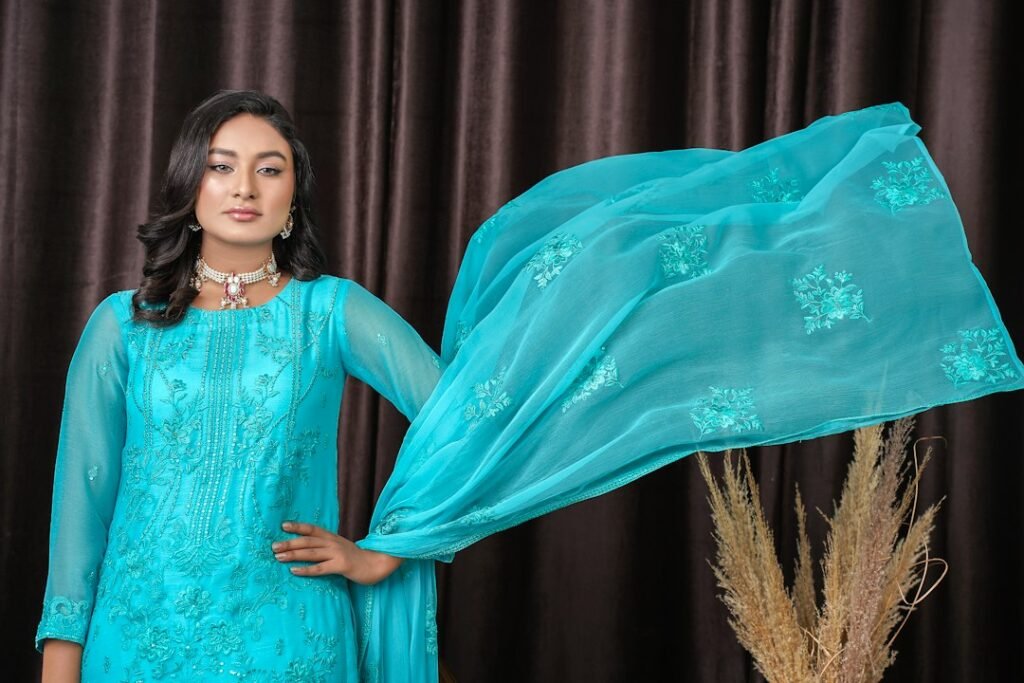
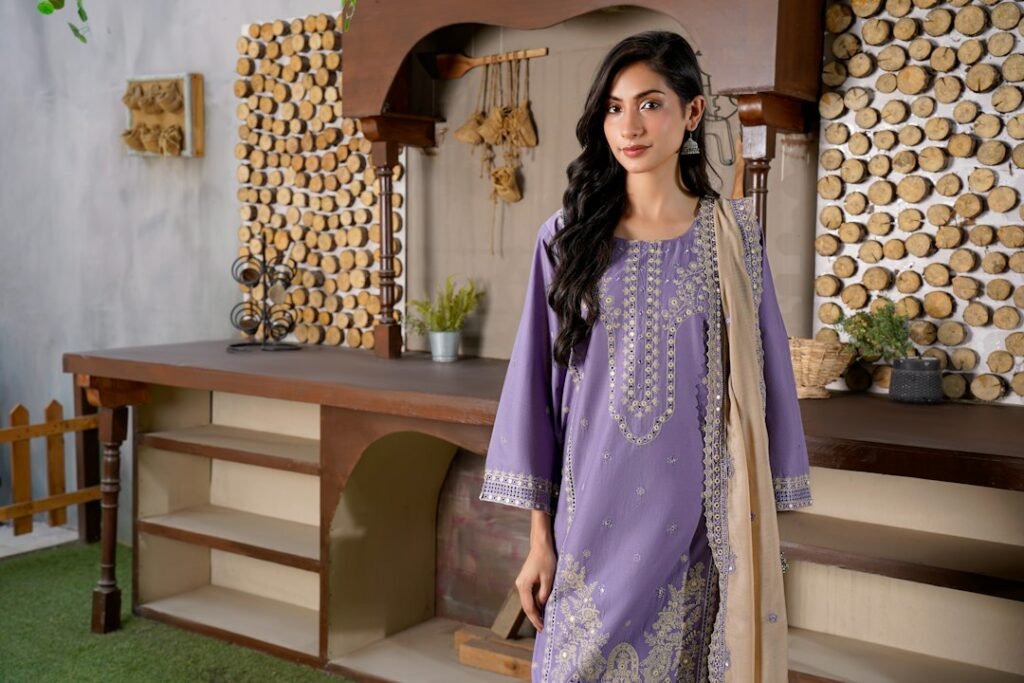
- Anarkali or long straight kameez: Timeless, forgiving and elegant. A mid-weight silk or georgette with minimal embroidery reads formal without heavy jewelry.
- Sharara or gharara: Great for family members who want a festive look—pair with a structured kurta so the proportions stay balanced.
- Straight pants with long jacket: Modern and easy to move in; a long embroidered jacket elevates a simple trouser set for religious settings.
- Simple saree or draped gown (where culturally appropriate): Keep the pallu draped modestly across the chest and consider a three-quarter sleeve blouse.
Colors, fabrics and modesty—practical trade-offs
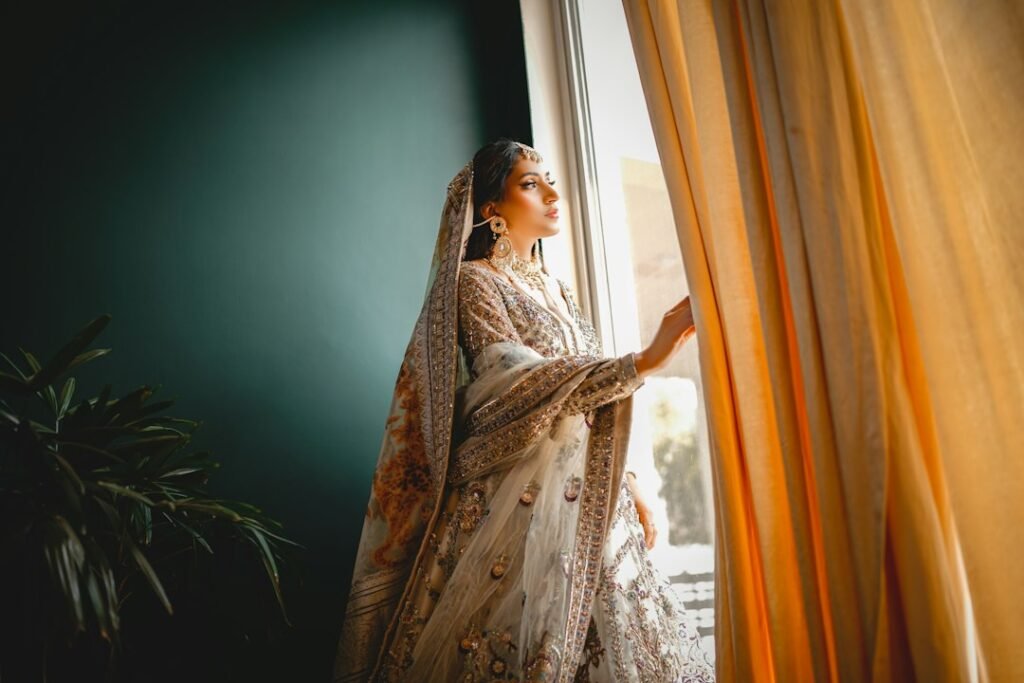
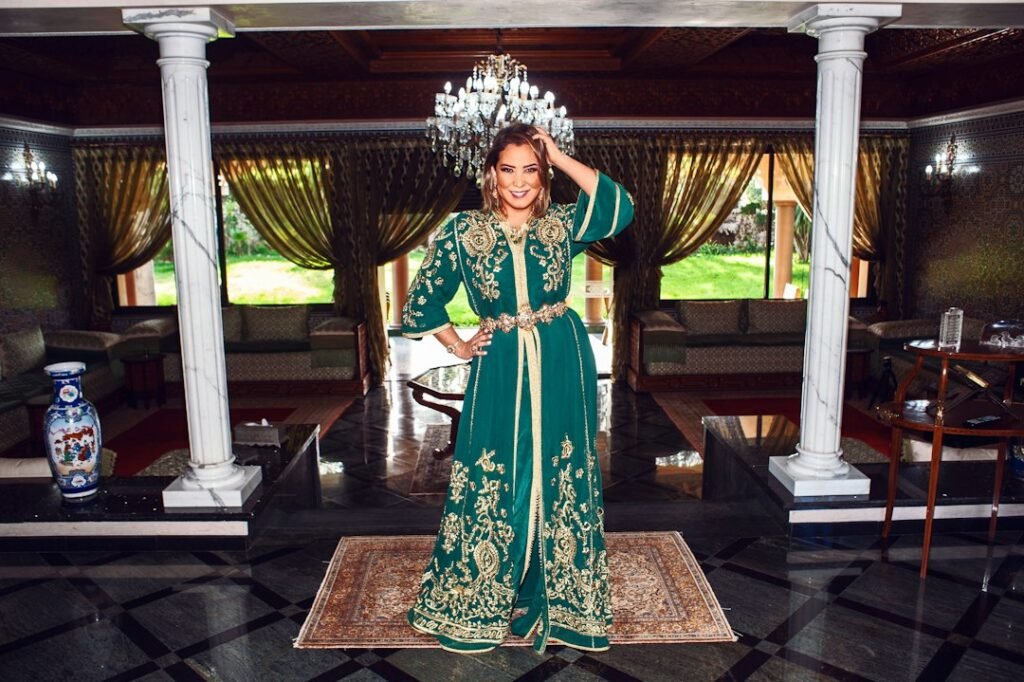
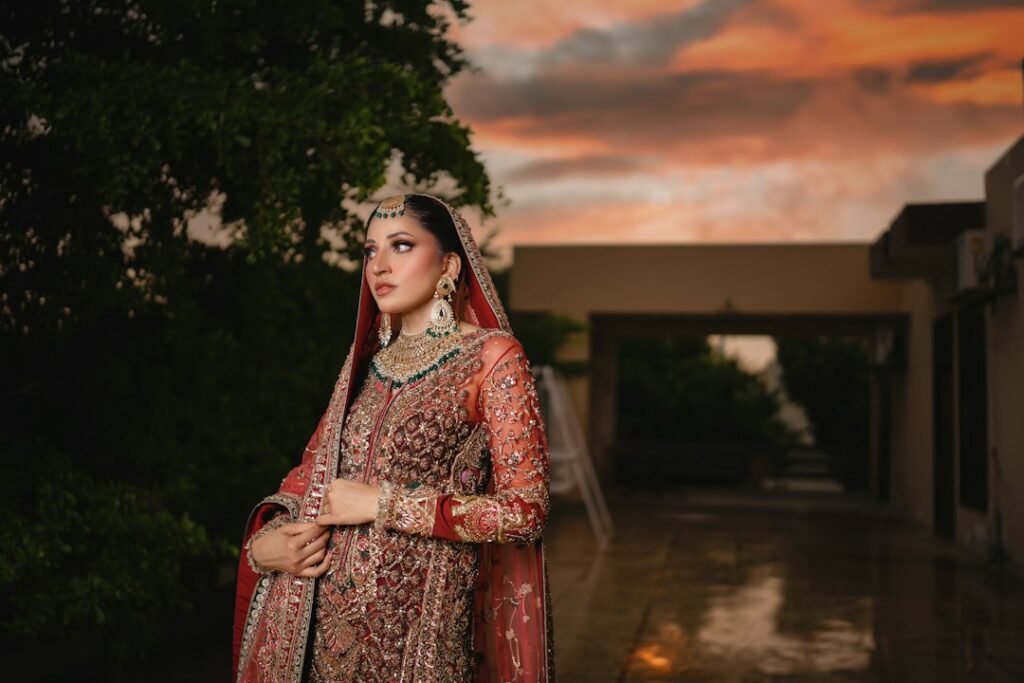
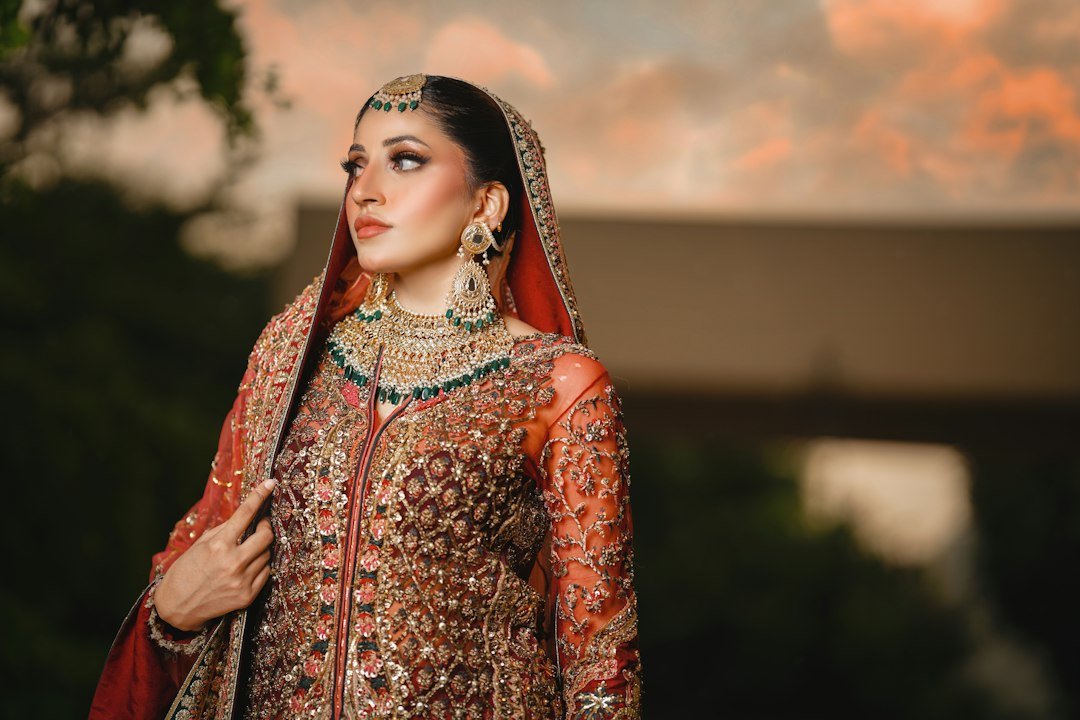
Soft neutrals and pastels are safe for guests; the bride often wears white, ivory or a traditional color. Dark jewel tones like deep emerald, navy or maroon work well for evening Nikahs. Choose fabrics that won’t crease badly between ceremony and photos—silk blends, crepe, and high-quality georgette are reliable.
For modesty, prioritize higher necklines and sleeves that reach the elbow. A lightweight shawl or chiffon dupatta can be doubled as a head covering if needed.
How to style the dupatta or head covering
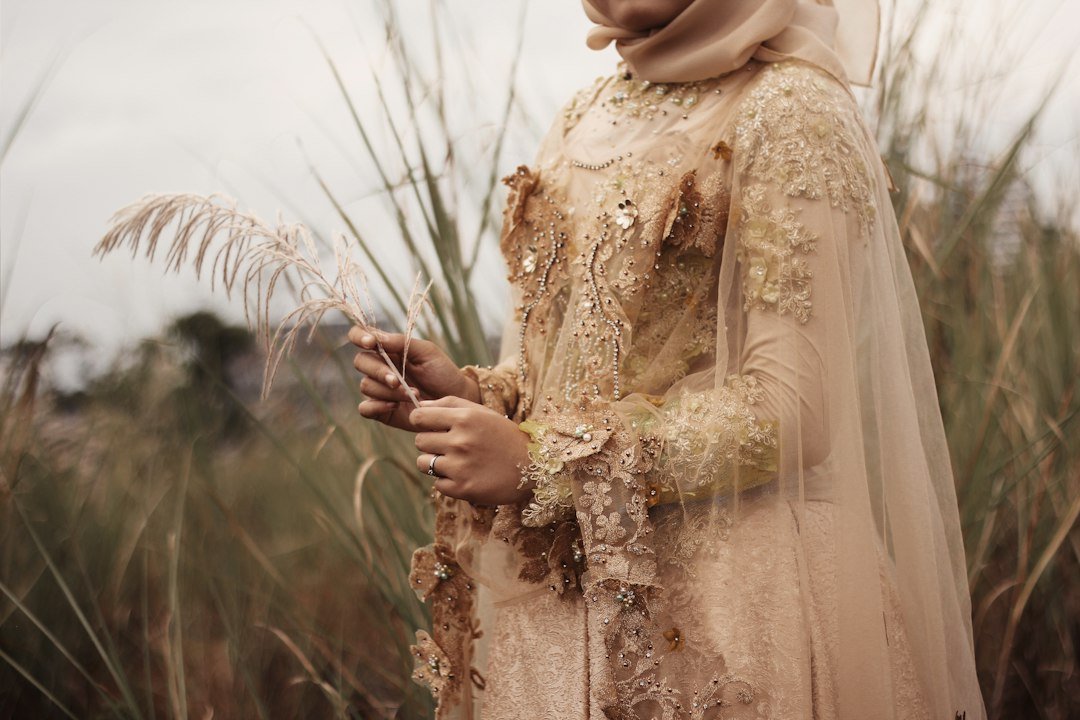
A dupatta is both functional and decorative at a Nikah. Practical ways to wear it:
- Softly draped over both shoulders and pinned at the collarbone for neatness.
- Folded lengthwise and worn as a head covering, pinned behind the ears—keeps hair covered during vows and looks polished in photos.
- Draped over one shoulder and fastened with a small brooch at the shoulder to stop slipping.
For a secure and elegant fix, use a brooch rather than multiple straight pins; it protects delicate fabric and looks intentional.
Accessories that complete the look without overpowering it
Accessories should support, not compete with, the ceremony’s focus. Aim for one statement piece and keep the rest restrained.
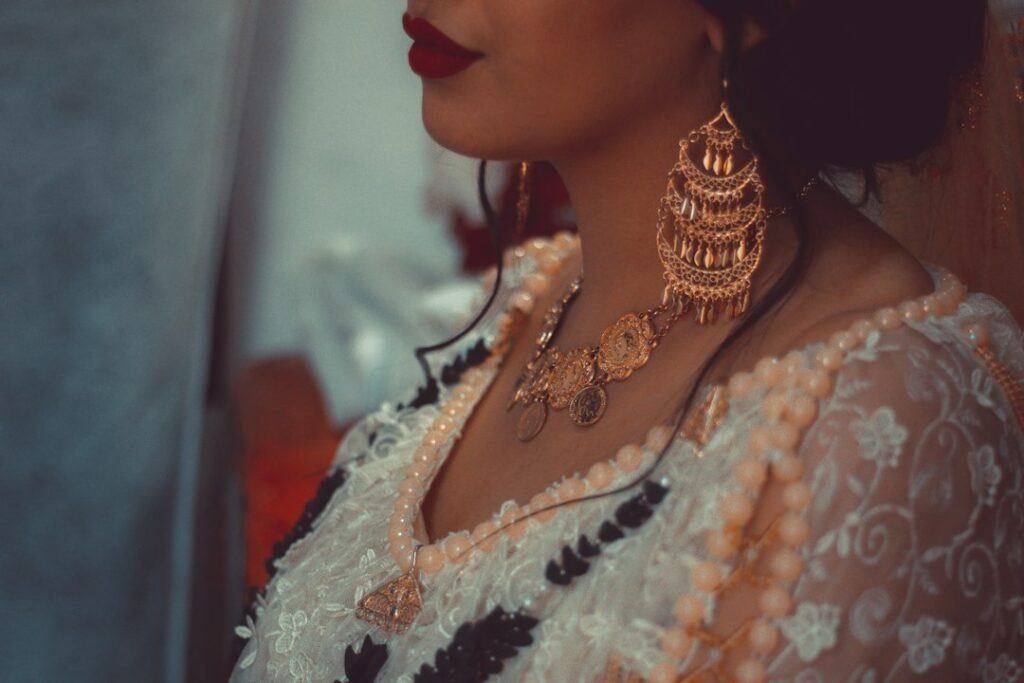
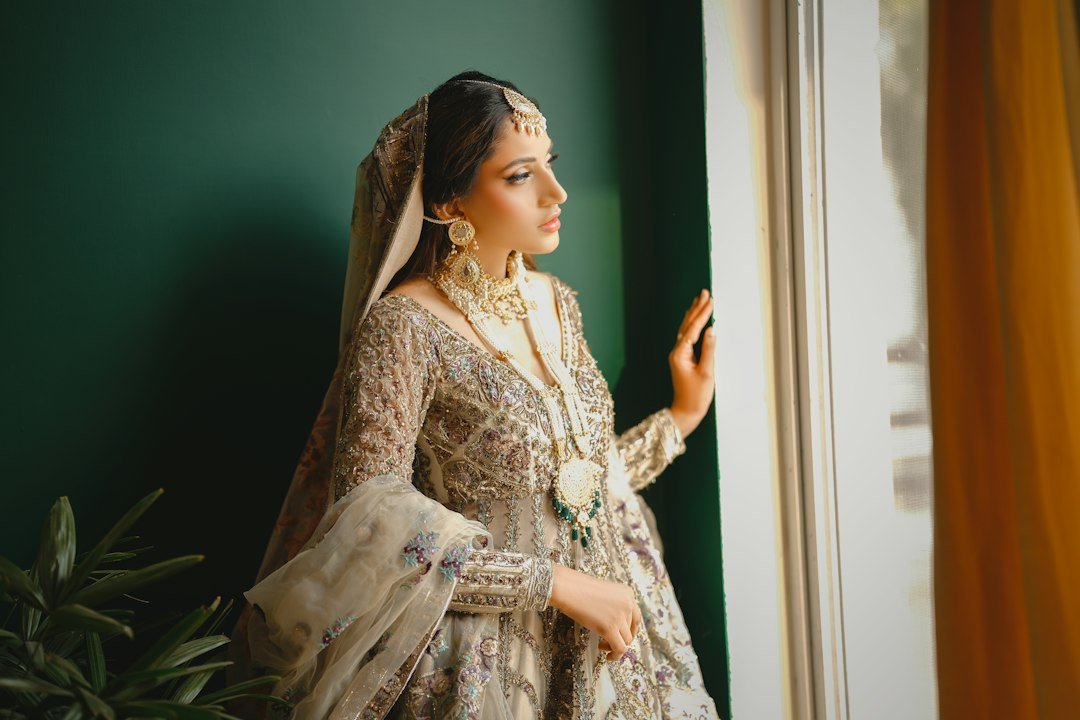
- Earrings: A pair of chandbalis or delicate danglers—choose size proportional to your face and hairstyle. If you pick a heavy necklace, scale earrings down.
- Neckwear: A thin pendant or a short choker works with higher necklines; avoid long layered necklaces that tangle with a dupatta.
- Brooch or dupatta pin: A single elegant brooch adds polish and steadies drapes. Recommended product:
Use the brooch to pin at the shoulder or near the nape so it appears purposeful and doubles as a functional fastener.
Makeup, hair and henna—small cues that read formal
Keep makeup natural and photo-friendly: matte base, defined eyes but not extreme contouring, and a long-wear lip. Hair pulled back into a low bun or soft waves under a dupatta stays neat during vows. Simple henna designs on hands are traditional for many families and photograph beautifully—avoid full-arm heavy designs if you’re a close family member and prefer a more restrained look.
Shoes and practicalities—comfort meets ceremony etiquette
Heels are common but choose a comfortable height; block heels or kitten heels are stable on carpets and verandas. If the venue requires removing shoes, pick a pair that’s easy to slip on and off and looks neat barefoot (polished straps, minimal wear). For gharara or sharara, balance the volume of trousers with a modest heel so the hem doesn’t drag.
Dressing checklist for different guest roles
Quick role-based cues:
- Bride: Soft white or ivory with subtle embellishment, dupatta draped over head for the Nikah, modest jewelry and secure shoes.
- Immediate family: Richer fabrics and slightly more jewelry than typical guests, but avoid outshining the bride.
- Guests: Polished, modest silhouettes in complementary colors, one statement accessory and comfortable shoes.
Final notes on photos, gifts and timing
If photos matter, choose fabrics that catch light—silk sheens or delicate embroidery. Bring a small clutch for essentials and any gift envelope; a clutch with a detachable strap lets you stay hands-free during rituals. Arrive early to find a comfortable seat and give yourself time to adjust a dupatta or head covering before the vows.
- Confirm dress code and head-cover expectations with the host.
- Choose one clear silhouette and one focal accessory.
- Pack a small brooch or dupatta pin to secure drapes.
- Select shoes that are easy to remove and comfortable for standing.
- Bring a compact clutch with lipstick, safety pins and breath mints.
Be modest, comfortable and intentional: decide role and venue first, pick a silhouette that covers and flatters, secure your dupatta with a brooch and limit jewelry to one standout piece. That balance keeps the focus on the ceremony while ensuring you look polished in photos.
Can I wear bright colors to a Nikah?
Yes—bright colors are acceptable if they respect the ceremony’s tone and don’t overwhelm the bride; reserve neon or overly flashy finishes for other events.
Is it appropriate to wear a saree to a Nikah?
A saree can be appropriate when draped modestly with the pallu covering the chest; choose less revealing blouse cuts and comfortable fall for standing during vows.
How formal should family members dress compared to guests?
Immediate family typically wear richer fabrics and slightly more ornamentation but should still avoid overshadowing the bride—think elevated, not theatrical.
What’s an easy way to keep a dupatta from slipping?
Use a single decorative brooch near the shoulder or a small safety pin at the collar to anchor the dupatta without damaging the fabric.
Should I alter an outfit specifically for the Nikah?
Minor tailoring—adjusting sleeve length or neckline for modesty and comfort—is worth doing; avoid major changes that alter the original fit or feel.