




 Contact Us

Start with what truly matters: fabric, embroidery and occasion
The fastest, most reliable way to pick between gold or silver jewelry is to look at three practical things first: the outfit’s base color and sheen, the color and type of embroidery or embellishment, and the event’s time and formality. These visual cues determine whether a warm metal (gold, rose gold, brass) or a cool metal (silver, rhodium, white gold, platinum) will read as cohesive or jarring.
How outfit color and fabric guide your metal choice
Color temperature of the outfit is the simplest rule-of-thumb.
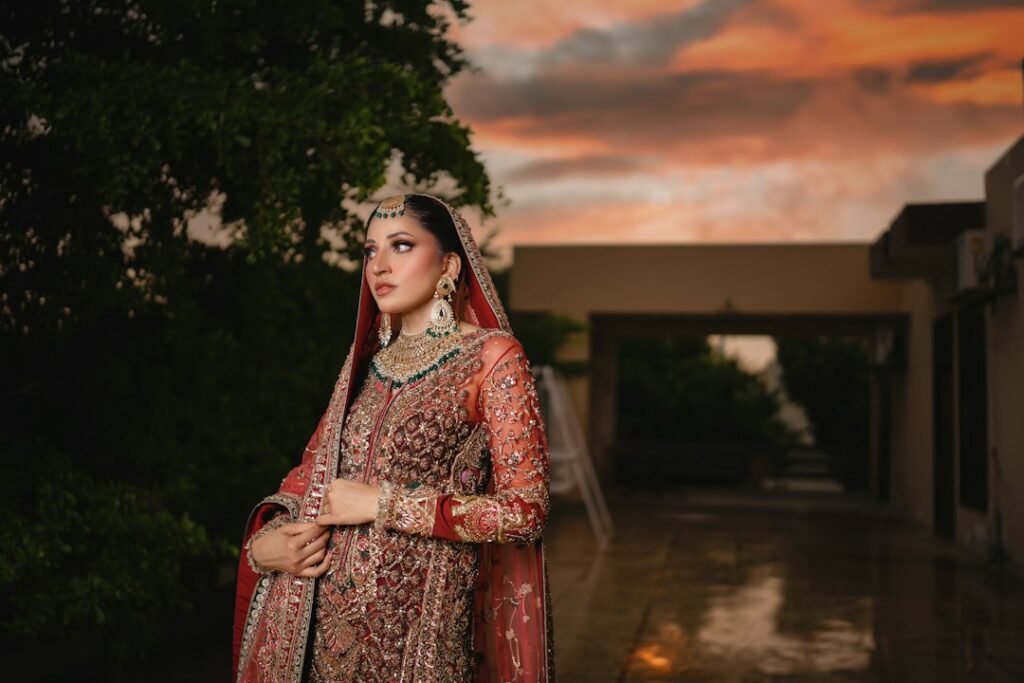
- Warm colors (red, maroon, deep orange, mustard, copper-greens): Gold or rose gold usually complements these best because the metal echoes the warm undertones.
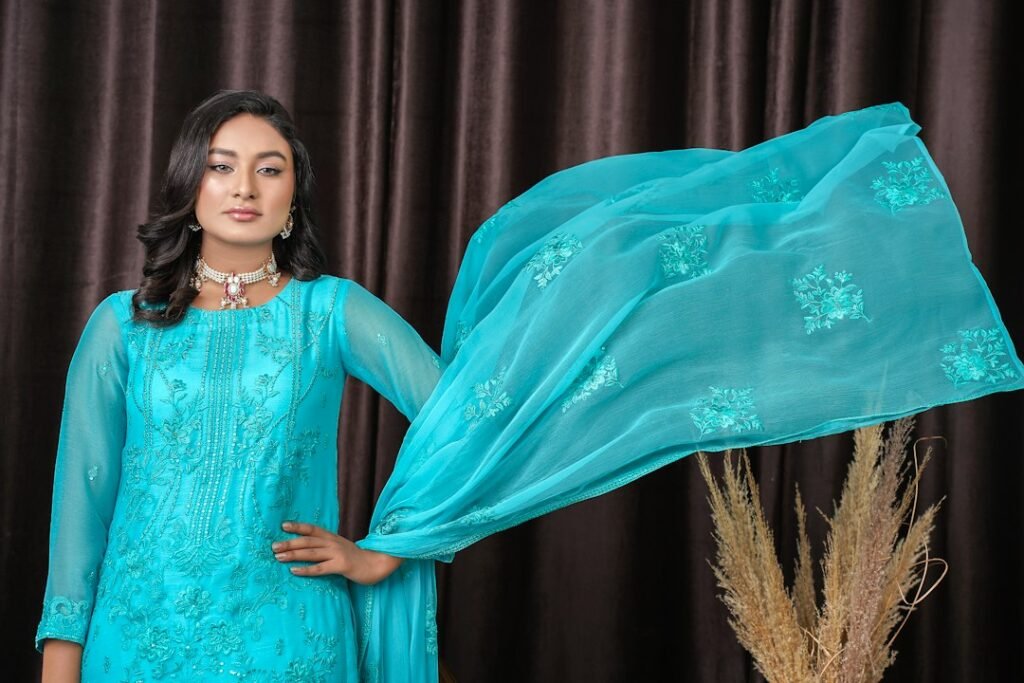
- Cool colors (teal, navy, emerald, ice blue, silver-grey): Silver and white metals create harmony and make cooler tones pop.
- Neutrals (ivory, champagne, blush): Both metals can work—choose based on embroidery and skin tone (see below).
- Black: Either can work, but silver tends to feel sharper for modern looks while gold reads richer for traditional styles.
Fabric finish matters: satin, silk and zari weaves already look metallic; match the metal to the fabric sheen. For matte organza, a contrasting metal can add desired shine.
Match metal to embroidery and embellishment before jewelry design
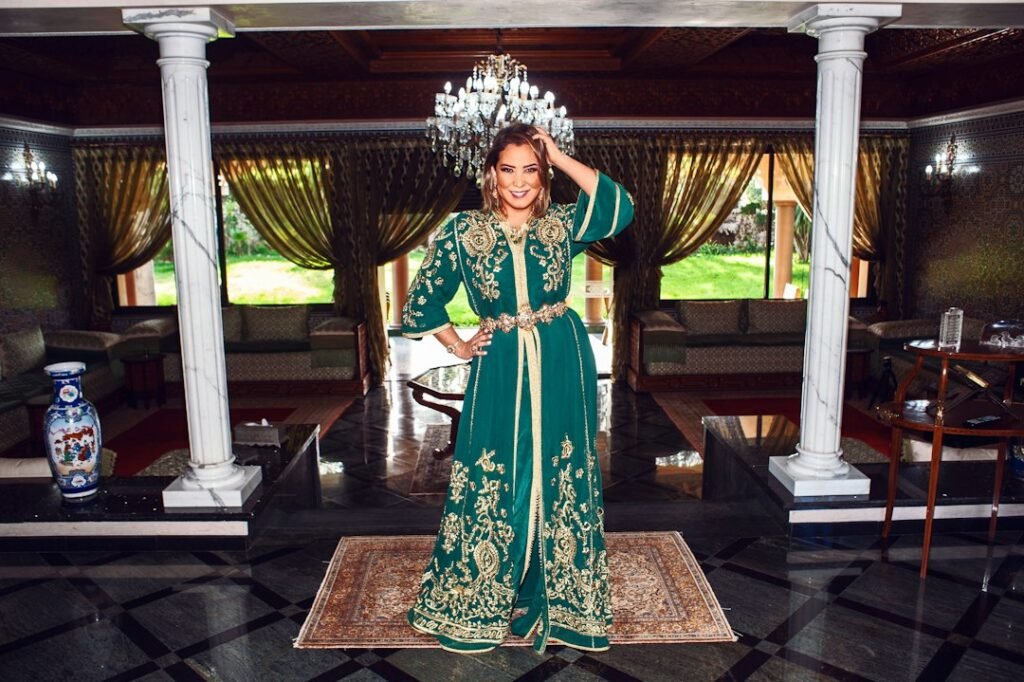
If your outfit has visible metal threadwork—tilla, zardozi, gota—or sequins, let that dictate the jewelry metal. Wearing gold jewelry with gold threadwork or silver jewelry with silver sequins avoids mixed-metal clash and keeps the ensemble intentional.
When the dress combines both (for example, gold zardozi on a teal base with silver stones), you can either:
- Choose the dominant thread color as the primary metal and use the other as a subtle accent in smaller pieces, or
- Deliberately mix metals but keep balance—one metal for larger pieces (necklace, tikka) and the other for smaller items (rings, ear studs).
Occasion and time: day, mehndi, nikah, reception
Different events call for different metal choices.
- Mehndi and daytime celebrations: Bright, playful, and often colorful—silver, oxidized silver or rhodium-plated pieces look lively; lightweight gold-plated jewelry also works if the outfit has warm tones.
- Nikah and formal daytime ceremonies: Subtle elegance wins—delicate gold, white gold or simple silver sets that echo the outfit’s embroidery are fitting.
- Reception or evening functions: This is where statement gold (or high-shine white gold/platinum with diamonds) performs best—the stronger light highlights metal and stones.
- Casual or everyday Pakistani wear: Opt for durable silver-plated, brass or lightweight gold-plated pieces; avoid heavy, valuable metals unless needed.
Skin tone and personal palette: the tie-breaker
While not absolute, skin undertone helps you decide when the outfit could go either way.
- Warm/olive undertones: Gold and rose gold often look more flattering.
- Cool/pale undertones: Silver and white metals usually complement better.
- Neutral undertones: Both metals suit—let the outfit and occasion decide.
Consider hair color too: darker hair can carry large gold pieces without overwhelming the face; very pale hair often pairs elegantly with silver’s crispness.
Jewelry style and scale relative to the outfit
Before choosing metal, decide on scale and silhouette. A heavily embroidered lehenga requires restrained jewelry; a simpler kurta can take bold, metallic statements regardless of metal color.
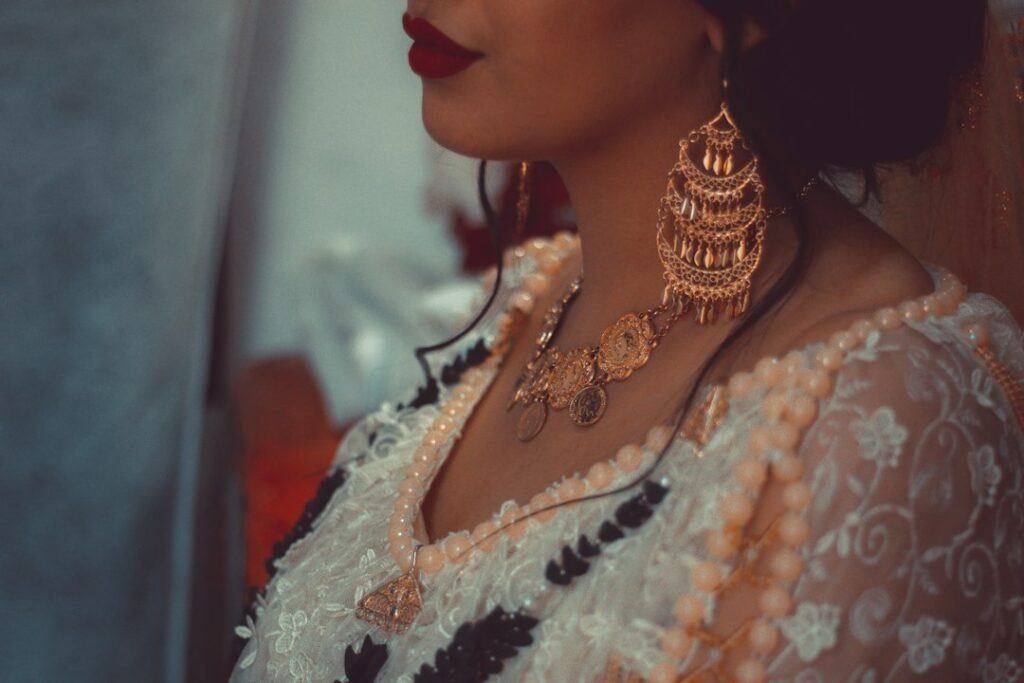
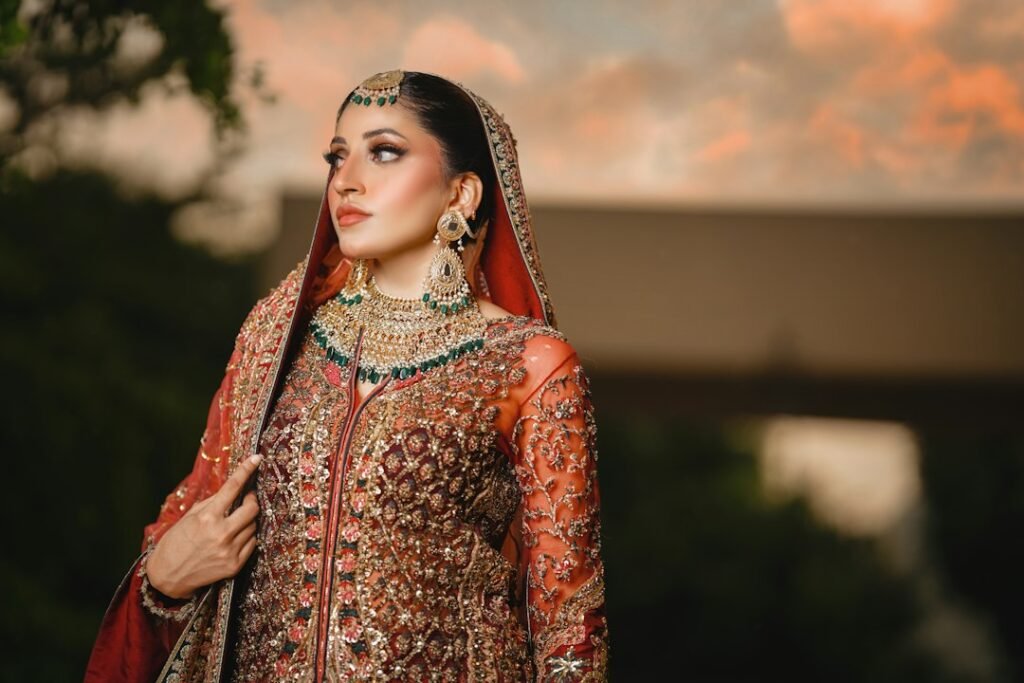
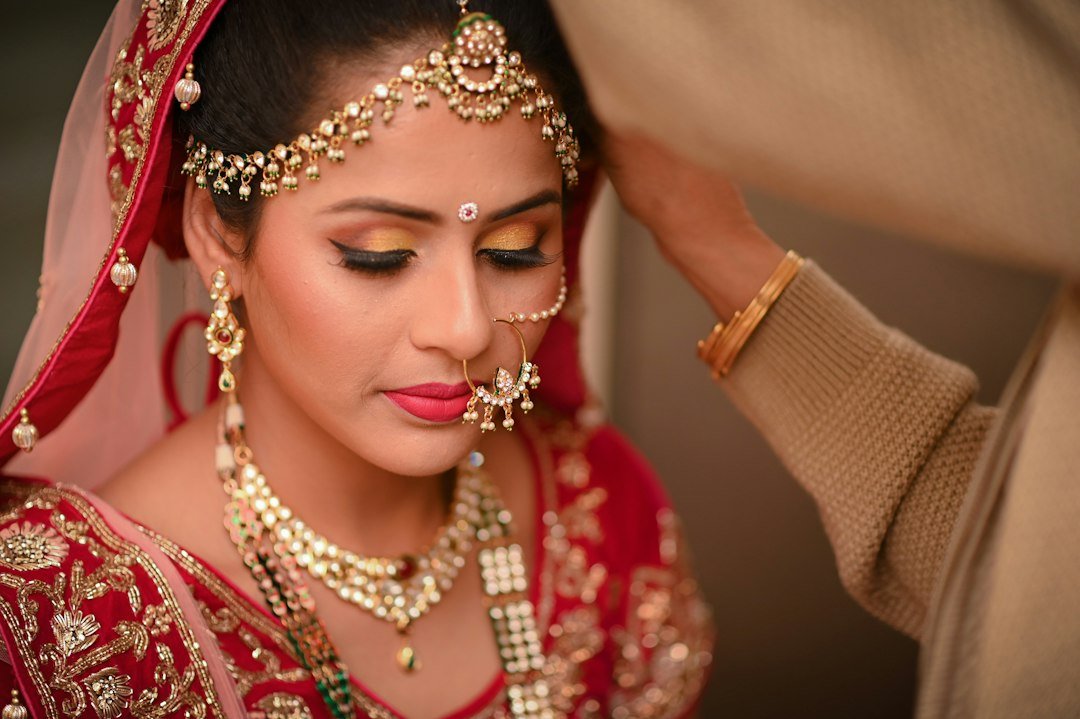
- Heavily embroidered bridal wear: Pick metal that ties to threadwork. A heavy gold choker with gold zardozi, or a diamond-set white gold set with silver beadwork, both work—don’t mix large pieces of both metals.
- Simple anarkali or sharara: This is the time to introduce contrast—silver jhumkas with a warm-toned dress can feel modern; gold chandbalis with a cool-toned outfit bring warmth.
- Fusion or Indo-Western looks: Mixed metals can be stylish if intentionally layered—limit to two metals and repeat a motif to connect them.
When mixing metals looks intentional (and when it doesn’t)
Mixing gold and silver can be elegant if done with a plan. Use one metal as the anchor—typically the largest piece—and the other as supporting accents. Avoid equal-weight competing statement pieces in different metals; that reads accidental.
Good mixing strategies:
- Anchor with a gold necklace and add a slim silver bracelet or ring to echo a detail in the outfit.
- Layer delicate chains in alternating metals when outfits are minimal to create controlled contrast.
- Match the metal of clutch hardware or shoe accents to small jewelry pieces to create cohesion.
Product recommendation for versatile everyday wear
If you want one pair that works across many Pakistani outfits—simple to dress up or down—a mid-sized, mixed-tone dangle earring that reads warm from a distance and cool up close is useful. For a reliable, well-ranked option from our catalog:
Practical finishing rules: balance, repetition, and context
Follow these simple checks at the dresser:
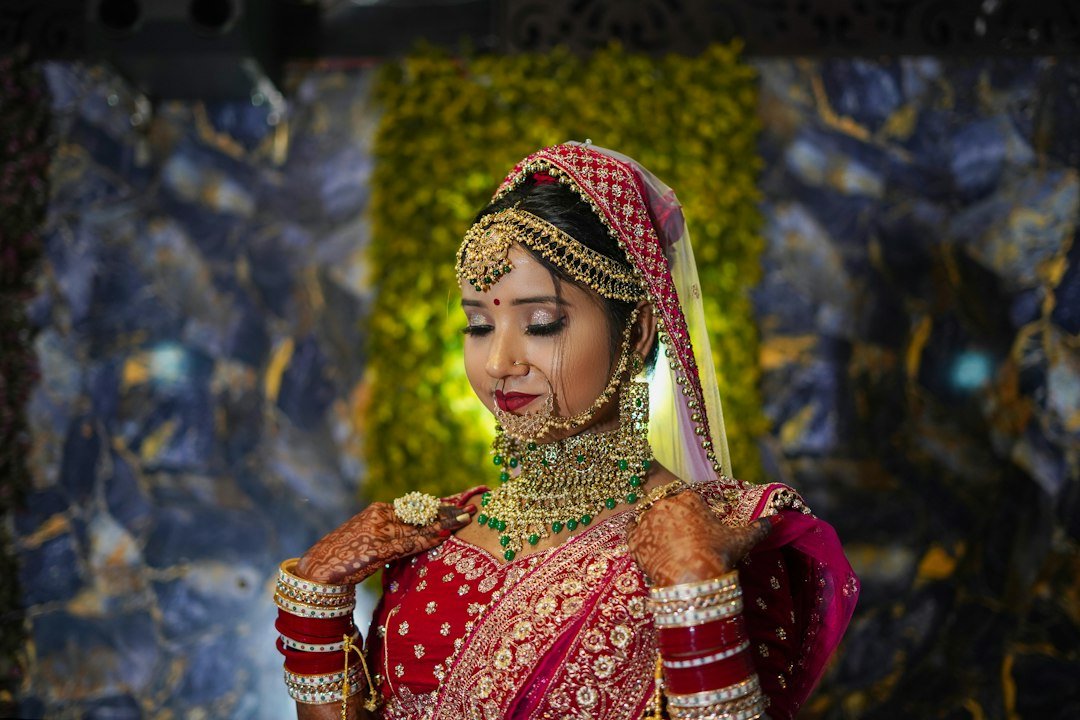
- Repeat a metal at least twice (necklace + earrings or ring + bracelet) so the eye sees intent.
- Scale jewelry to embroidery density—more embroidery = smaller jewelry and vice versa.
- Coordinate the metal with non-jewelry hardware (clutch clasp, belt buckle) for a finished look.
- Does the jewelry metal match the dominant threadwork or sequins?
- Is the jewelry scale balanced with the garment’s embroidery density?
- Have you repeated the same metal at least twice in the look?
- Does the metal match clutch or shoe hardware where visible?
- Is the chosen metal appropriate for the event’s formality and time?
Choose gold when the outfit and embroidery have warm tones, and silver for cool-toned fabrics or modern evening looks. For mixed-thread or neutral pieces, prioritize the dominant metallic detail in the garment, use skin tone as a tie-breaker, and keep any metal mixing intentional.
Can I wear gold jewelry with a teal or emerald outfit?
Yes—gold can warm up teal and emerald, especially if the outfit includes gold-thread highlights or warm accessories. For a cooler look, choose gold pieces with green gemstones to harmonize.
Is mixing gold and silver ever a good idea?
Yes, when one metal anchors the look and the other is used as an accent. Keep the visual weight uneven so the mix reads intentional.
What metal suits heavily embroidered bridal lehengas?
Match the metal to the embroidery: gold for gold/zari work, white metals for silver/stone-heavy embroidery. Avoid two competing heavy sets in different metals.
Which metal is best for mehndi ceremonies?
Oxidized or bright silver and colorful pieces work well for casual, daytime mehndis; lightweight gold-plated jewelry is also appropriate with warm-colored outfits.
How do I choose if my outfit is neutral (ivory, blush)?
Let the garment’s embellishment and your skin tone decide: warm-toned embellishment + warm skin = gold; silver or white stones + cool skin = silver. Both can work with thoughtful styling.