




 Contact Us

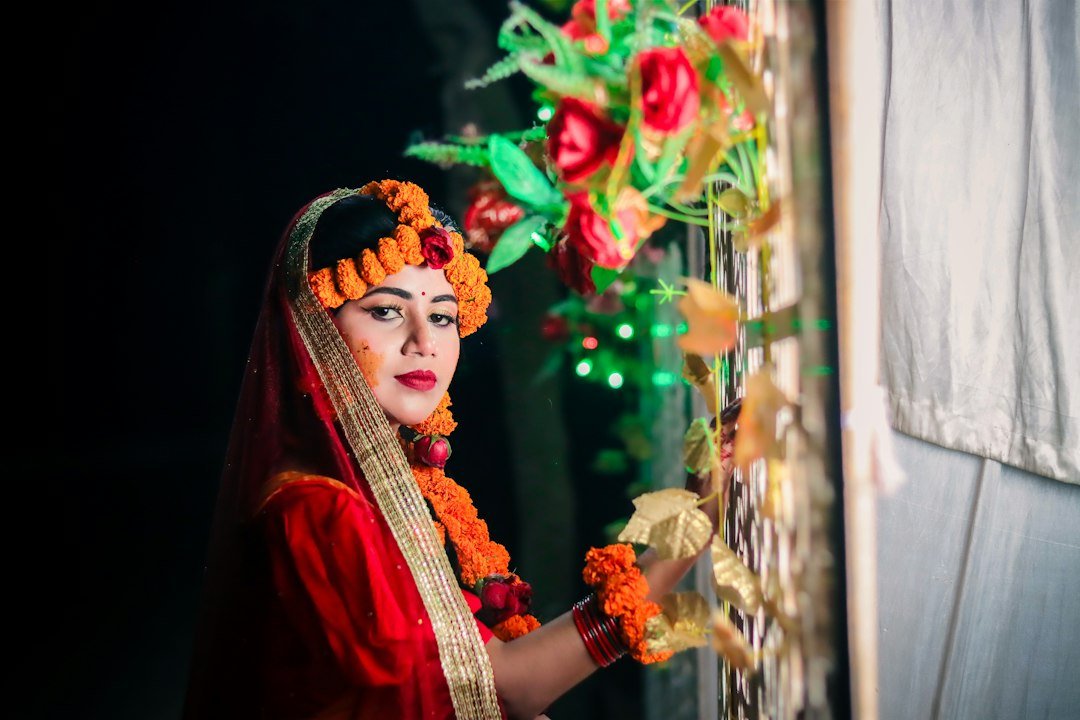
You arrive at a daytime, family-run mehndi: music from the dhol, marigolds on the tables, and guests moving between shaded lawns and a sunny verandah. What should you wear so you look festive, feel comfortable and respect the tone of the event?
In short: choose a Pakistani mehndi outfit that is colorful, breathable and moderately ornate—think a bright kurta set, a lightweight lehenga or sharara with playful embellishment, comfortable shoes, and jewelry that adds sparkle without upstaging the bride. The focus is celebration and comfort during a lively, often daytime, ritual.
Why color, comfort and moderate ornamentation matter
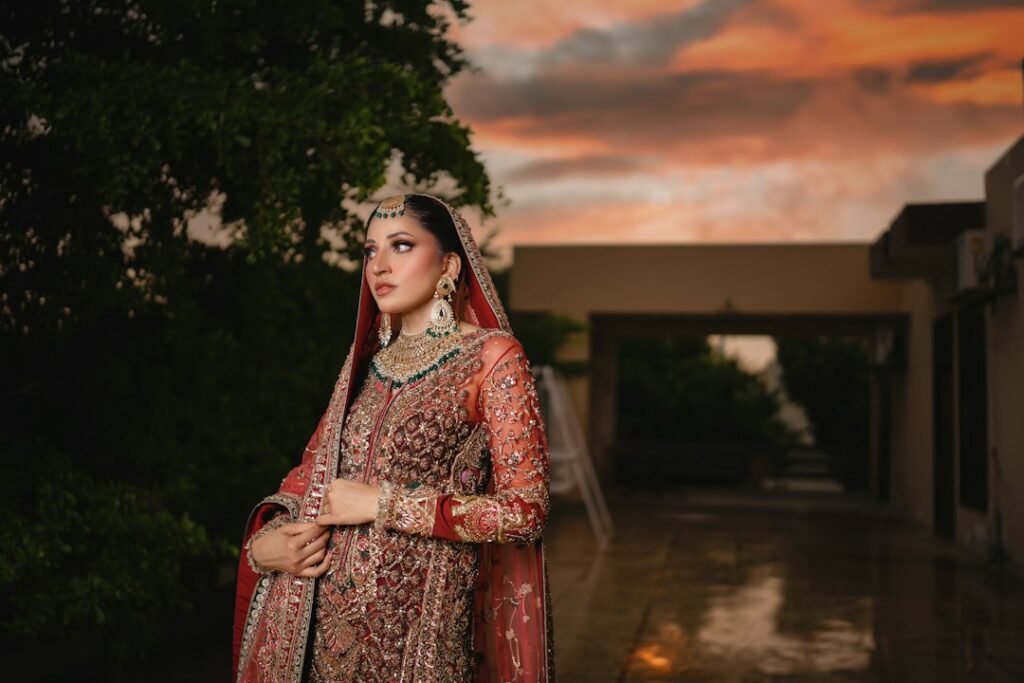
Mehndi events are usually daytime and busy: stamping henna, dancing, food, and lots of movement between indoor shade and outdoor sun. Bright colors read well in daylight and photographs; lightweight fabrics keep you cool; moderate embroidery or sequins read festive without being bridal. Avoid heavy, full-length bridal lenghas, very white or full gold looks reserved for close family, and ultra-formal black that can feel too somber for this occasion.
Silhouettes that work and when to pick them
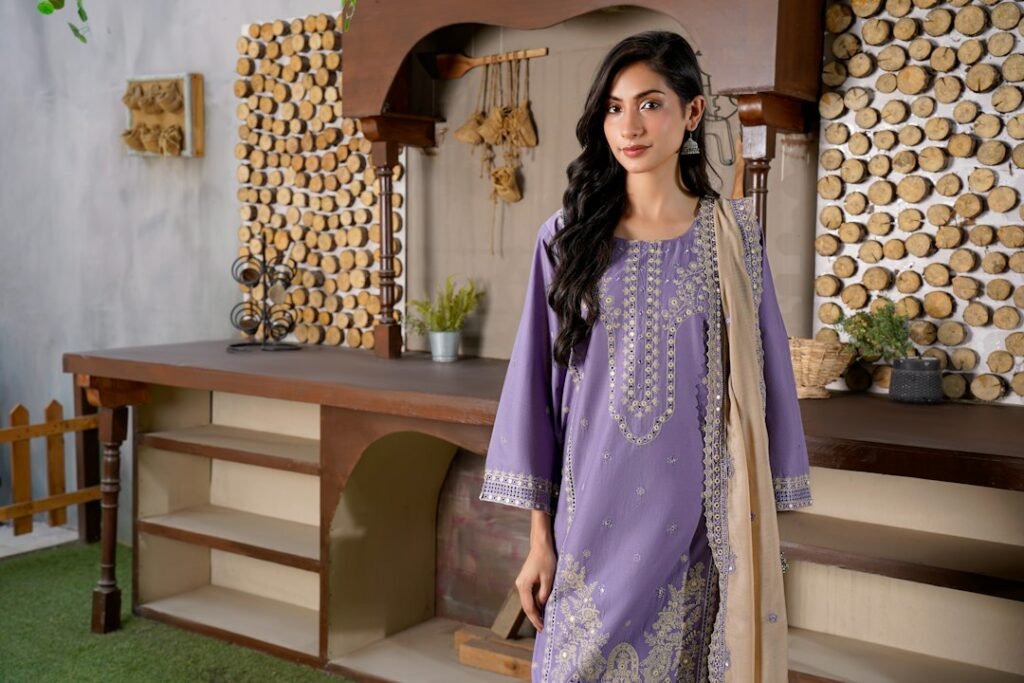
- Short to mid-length kurta with cigarette pants or palazzo: Best for an easy, modern look—simple to sit, move and dance in. Choose embroidered necklines or a contrast dupatta for interest.
- Sharara or gharara set: Ideal if you want a festive, traditional silhouette that’s still breathable. Ghararas with lighter embroidery look celebratory without being bridal-heavy.
- Lightweight lehenga: Choose cotton-silk, raw silk or organza with lighter threadwork or mirrorwork for a chic mehndi shape; avoid heavy velvet or dense zardozi.
- Anarkali kurta: Works well for semi-formal mehndi—flowing, elegant, and good for outdoor photos if the hem is kept light.
- Modern fusion: Short embroidered dress with a dupatta or embellished co-ord sets can be excellent for guests who prefer contemporary cuts.
Fabrics, seasons and practical choices
Prioritize breathable fabrics for daytime: cotton-silk blends, chanderi, lawn, organza and lightweight chiffon. Heavier brocades or velvet are fine for evening dholkis or reception events, but they will overheat a sunny mehndi. If the mehndi is indoors and AC’d, you can pick richer fabrics—but think about mobility for dancing and sitting for henna application.
Color palette suggestions—and what to avoid
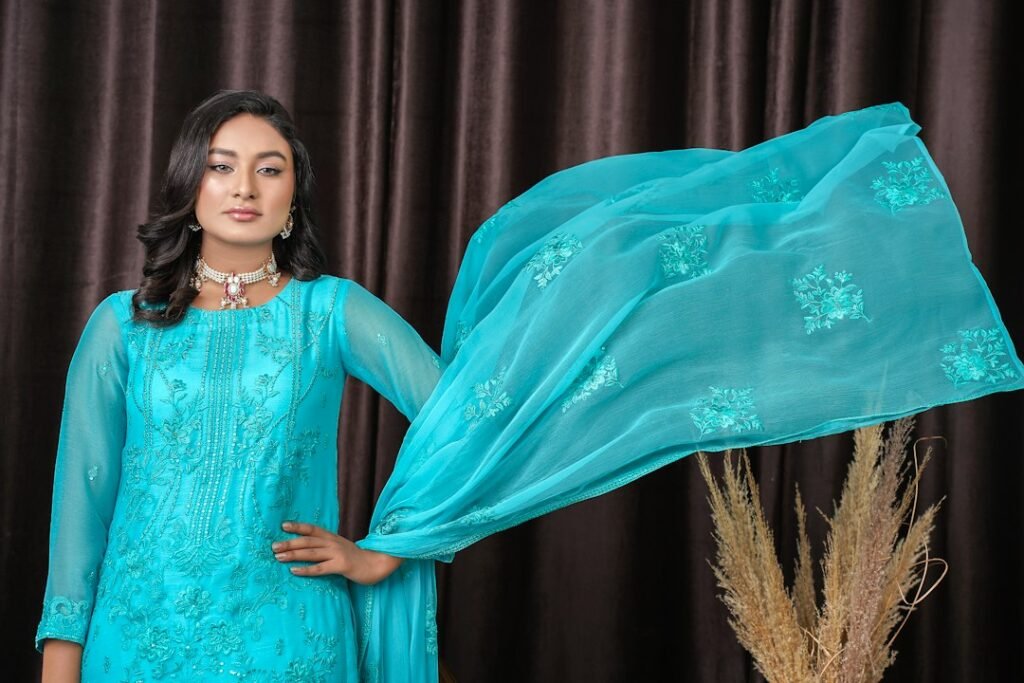
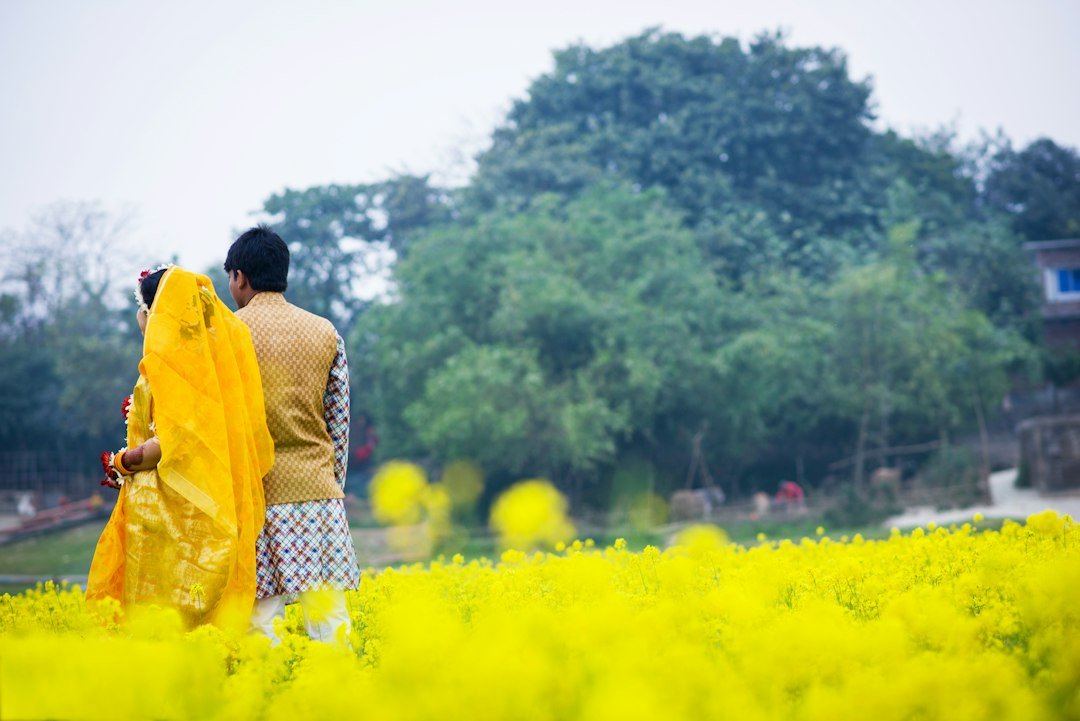
- Great choices: Saffron, mustard, teal, emerald, coral, fuchsia and chartreuse—saturated hues photograph well and read celebratory.
- Muted options: Pastel green, blush or mint are appropriate for a more subdued mehndi or daytime garden setting.
- Avoid: All-white (often reserved for Mayun depending on family), full bridal-reds and excessively matching head-to-toe gold that could be mistaken for close family. Black is acceptable in small doses but generally not ideal for a bright daytime mehndi.
Jewelry and accessories: sparkle without competition
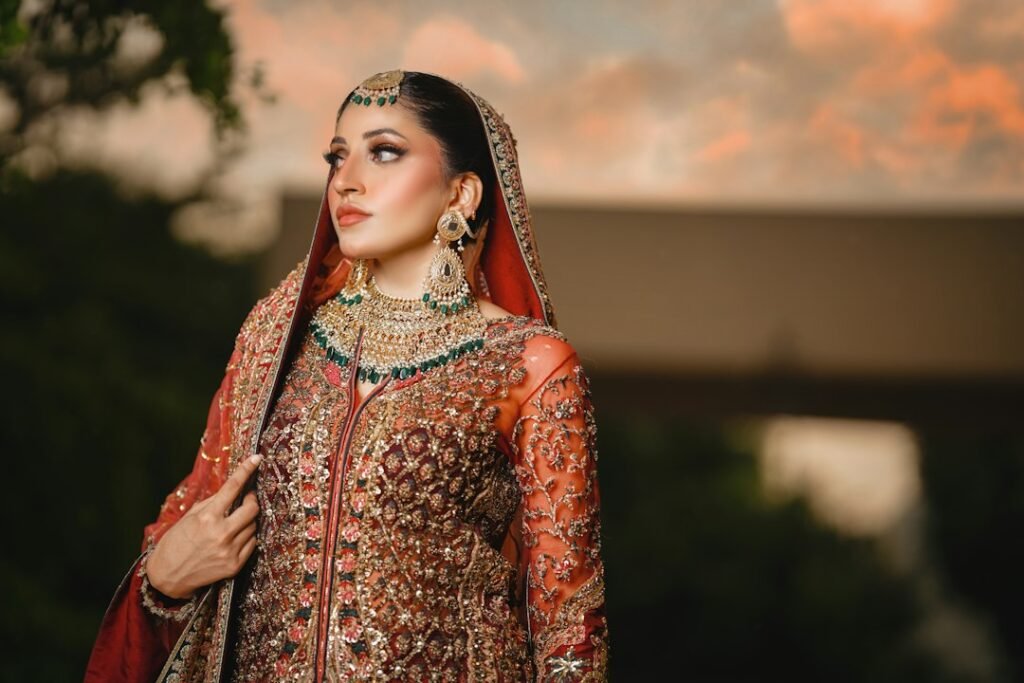
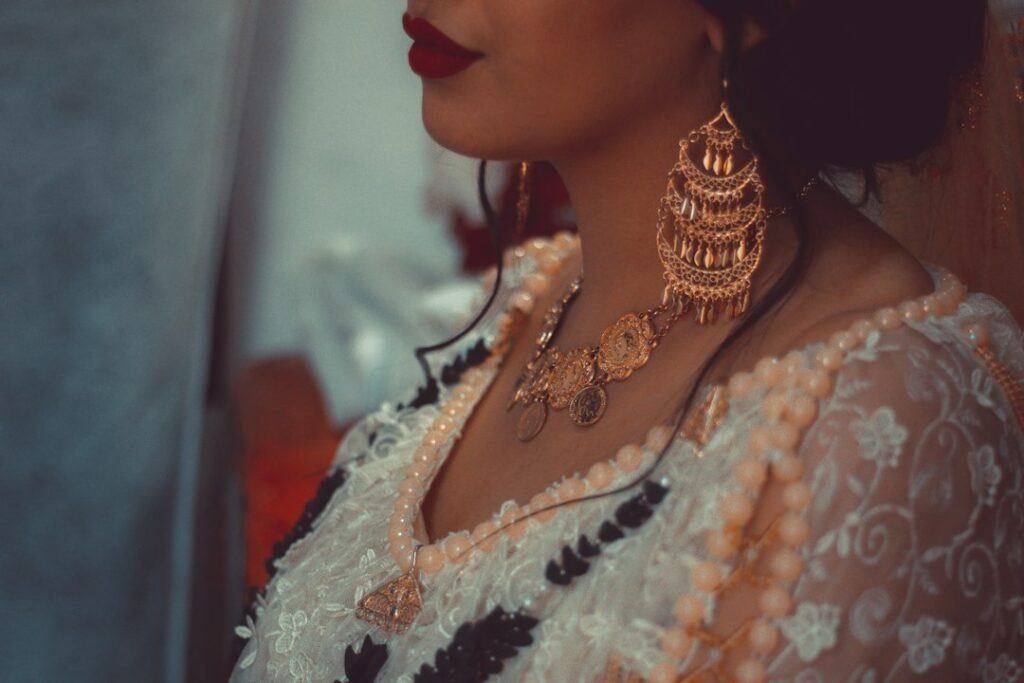
Mehndi jewelry should complement—not compete with—the bride. Aim for a focal piece plus supporting items: a statement pair of jhumkas or a maang tikka if you’re close to the bride, or a delicate necklace with bangles for a balanced look. Avoid large Kundan sets that are typically bridal unless the hosts indicate otherwise.
Practical accessory tips:
- Pick slip-on or block-heeled sandals for comfort and stability on grass and patterned floors.
- Bring a small clutch for essentials; choose one that coordinates with your outfit rather than matching every element.
- If you expect to sit for henna application, avoid long loose sleeves that will get in the way—three-quarter sleeves and sleeveless kurtas paired with a dupatta are practical.
Suggested product use case: a lightweight gold-plated cubic zirconia set is a good guest option—adds sparkle for photos without signaling bridal-level ornamentation.
Makeup and hair that suit mehndi timing
Keep makeup fresh and slightly bolder than everyday—think a dewy base, long-wear eye makeup, and a pop of color on the lips. Strong contouring and ultra-matte looks can read heavy in a daytime outdoor setting. For hair, loose waves, a low bun or a half-up style with hair jewelry like a simple headchain can be festive and practical for dancing.
Special circumstances and cultural respect
If the invitation or family notes a themed color (some mehndis request a color palette) follow it—hosts appreciate coordination. If the bride’s family follows strict cultural rules about who may wear certain colors or heavy jewelry, err on the side of restraint and ask a family contact if you’re unsure. For very traditional households, closed necklines and longer sleeves may be expected.
- Confirm daytime vs evening timing and location (lawn, hall, rooftop)
- Pick a breathable fabric and a colorful but non-bridal hue
- Choose comfortable sandals or block heels suitable for grass or tiled floors
- Limit heavy bridal jewelry—one statement piece is enough
- Plan sleeves/dupattas so henna can be applied easily
- Bring a small clutch with stain-removal wipes for accidental henna marks
A Pakistani mehndi outfit should prioritize color, comfort and a festive but non-bridal level of embellishment. Aim for breathable fabrics, a flattering silhouette you can move in, and accessories that add sparkle without overshadowing the bride—then enjoy the celebration.
Can I wear a lehenga to a mehndi?
Yes—choose a lightweight lehenga with lighter embroidery or mirrorwork suitable for daytime; avoid heavy bridal brocade or dense zardozi unless the invite specifies an evening formal event.
Is yellow always appropriate for mehndi?
Yellow and saffron are traditional and flattering for mehndi, but confirm any family preferences; on themed events, follow the suggested palette.
What shoes are best for mehndi on grass?
Block heels, wedges or decorated flats provide stability on grass and patterned floors—avoid stilettos that sink into soft ground.
Should guests wear heavy jewelry?
No—save bridal-level heavy sets for the bride and her closest family; guests should choose one statement piece and simpler supporting jewelry.
How do I protect my outfit from henna stains?
Tuck or pin your dupatta while getting henna, wear sleeves you can roll up, and carry stain-removal wipes; darker fabrics hide accidental smudges better than pale ones.