




 Contact Us

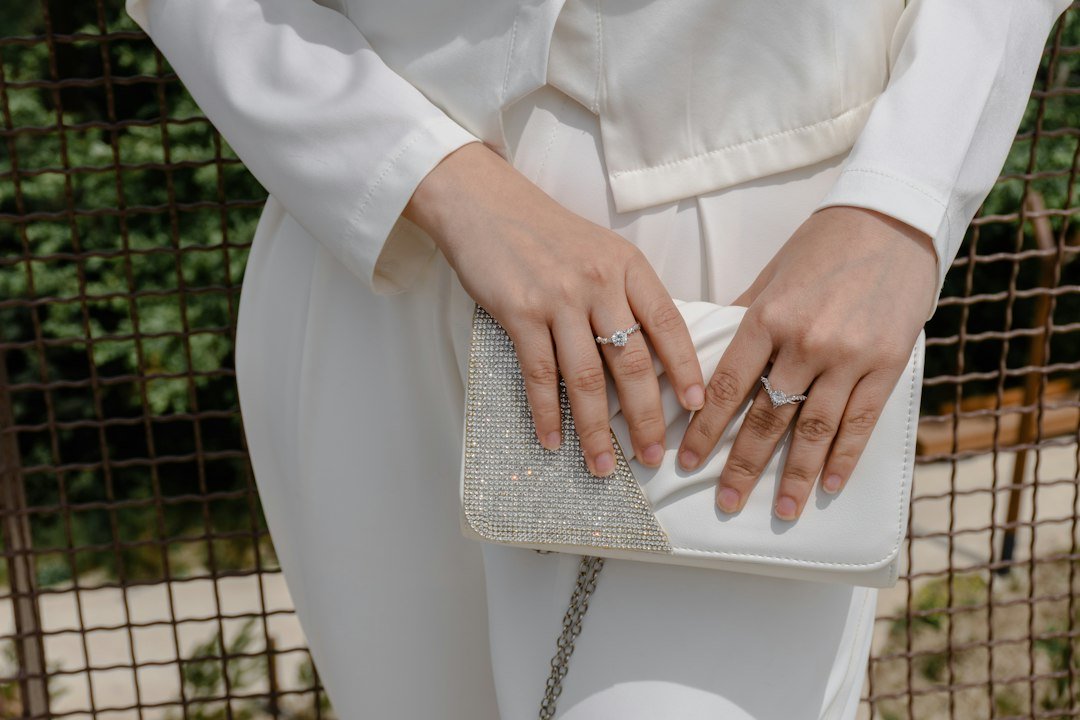
A common misconception is that clutches are only decorative extras. For formal Pakistani outfits they are part of the outfit’s architecture: the right clutch completes the silhouette, supports necessary items, and either harmonizes with or deliberately contrasts embroidery and fabric. Treat choosing a clutch as selecting one more visible element of the look, not an afterthought.
What actually matters when picking a clutch
Before browsing styles, decide on three priorities: scale (size relative to your outfit), function (what you need to carry), and fabric/finish (how it pairs with embroidery and color). Everything else—shape, hardware, strap—follows from these choices.
Scale: match the clutch to the outfit’s visual weight
Large, heavily embroidered lehengas or long ghararas read as high visual weight. Use a proportionally substantial clutch—an embellished envelope or box clutch—to avoid the bag looking toy-like. For leaner, streamlined shararas or straight-cut ghararas, a slim satin or metallic clutch keeps the silhouette elegant.
Small rule of thumb: if your outfit has heavy embellishment across the body, choose a clutch that carries some of that visual mass (beading, metallic finish, texture). If the outfit is ornamented only at the borders or dupatta, a subtler clutch works.
Function: carry what you truly need
Decide the items you must carry and choose size accordingly. Typical essentials: phone (large modern phones can dominate a tiny clutch), keys, compact, cards/cash. If you need room for more—small perfume, tissues, power bank—pick a clutch with slightly greater depth or an interior pocket.
If you prefer hands-free at events, prioritize a clutch with a discreet chain strap or a wristlet loop. Chains can be draped inside for evening wear or used when walking between venues.
Fabric and finish: coordinate with embroidery, not just color
Match fabrics and finishes to the dominant textures of your outfit. Examples:
- Satin or silk clutches: pair well with smooth, glossy saris, silks and satin-finish formal suits.
- Velvet clutches: complement winter formalwear or heavy zari/zardozi work—gives a luxe depth.
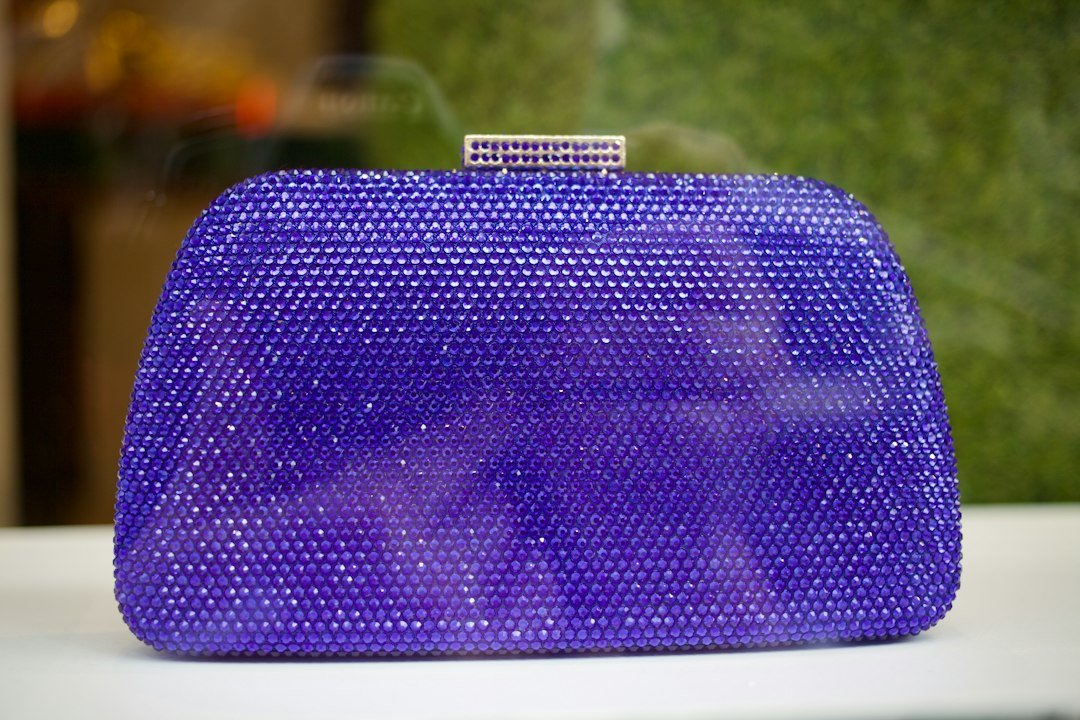
- Beaded or sequined clutches: best with party-heavy embroidery; align bead tone with dress thread or sequin color to feel intentional.
- Metallic finishes (gold/silver): neutral with many colors; choose the metal to match jewelry tone.
When embroidery on the outfit is multicolored, pull one accent color for the clutch rather than attempting an exact match; this creates cohesion without trying to be too literal.
Color strategy: blend, complement or contrast with purpose
Three reliable approaches:
- Blend (same color family): safest for formal events—e.g., a deep maroon clutch with a maroon-embellished sharara.
- Complement (harmonizing accent): pick a muted metallic or neutral that echoes trim—gold with warm tones, gunmetal with cool tones.
- Contrast (intentional pop): a bright clutch against a neutral outfit can be modern, but use texture or a shared metallic to tie them together.
For weddings and formal family events, leaning toward blend or complement keeps the overall ensemble cohesive in photos.
Practical details that change a decision
Consider these smaller features because they affect use and longevity:
- Closure type: magnetic snaps are easy but can be weaker for heavy contents; zips keep items secure but need smoother fabric interiors to avoid snagging.
- Interior lining: a soft, stain-resistant lining protects delicate embroidery and makes small items easier to find.
- Hardware tone: coordinate with the metal of your jewelry for photographs and a polished look.
- Detachable chain: gives flexibility—wear as shoulder strap when moving, stash it inside during formal photos for a cleaner silhouette.
When to choose an embellished clutch versus a minimalist one
Choose embellished clutches when your outfit needs visual reinforcement—heavy embroidery, plain fabric, or a monochrome silhouette. A minimalist clutch suits richly patterned or multi-embroidered outfits where an ornate bag would compete.
Product recommendation for common use cases
After matching scale, function and finish, consider a practical purchase that fits many formal Pakistani outfits:
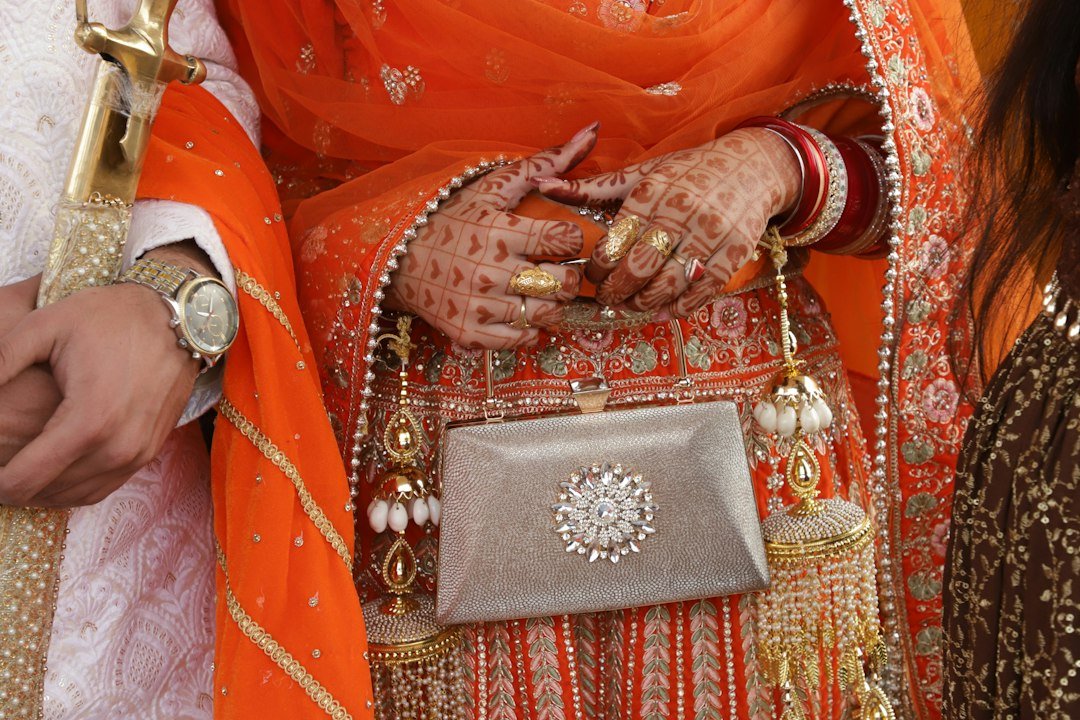
Why this works: a pleated, elegant envelope clutch like Rank #1 gives texture without overpowering most embroidered looks; it’s dressy enough for weddings but understated for mehndi after-parties. Opt for a color that supports your main jewelry metal.
If you need a truly glittering statement for a bridal or heavy formal look, consider a rhinestone-embellished box clutch that reads like jewelry—use sparingly for outfits already ornamented in a similar palette.
How to decide in five quick steps
- List the items you must carry and measure your phone to test fit.
- Assess outfit weight: heavy embroidery = heavier/embellished clutch; light = minimalist clutch.
- Pick fabric/finish to match dominant texture (satin for silk, velvet for winter zari).
- Select hardware tone to match jewelry and a closure that secures your essentials.
- Decide strap need: detachable chain if you’ll move around a lot, none for a clean handheld look.
- Test your phone and essentials fit before buying.
- Match clutch visual weight to outfit embroidery level.
- Choose fabric/finish that complements the garment texture.
- Pick hardware to match your jewelry metal.
- Decide on a detachable chain if you need hands-free wear.
The perfect clutch is the one that balances proportion, function and finish with your formal Pakistani outfit. Start by deciding what you must carry, then match size and texture to the outfit—color and hardware seal the look.
What size clutch is best for a wedding guest?
Choose a medium envelope or box clutch that fits a phone, compact and cards—large enough for essentials but not so big it competes with formal wear.
Should my clutch match my jewelry or my dress?
Match the clutch’s hardware and metallic tones to your jewelry; match its fabric or color family to the dress for cohesive photos.
Are chain straps appropriate with formal Pakistani outfits?
Yes—detachable chains add versatility. Use the chain while moving, remove or tuck it in during posed photos for a clean handheld look.
Can a simple satin clutch work with heavy embroidery?
Yes, if you want the outfit to remain the focus. However, pick a satin clutch in a complementary tone and consider subtle hardware to tie the look together.
How to keep an embellished clutch from snagging delicate dupatta embroidery?
Look for clutches with soft linings and rounded beadwork; carry the clutch slightly away from delicate dupatta edges to avoid friction.