




 Contact Us

What actually matters (and what you can ignore)
When choosing earrings, focus on three real factors: your face shape, the outfit’s neckline/occasion, and balance between size and your features. Ignore myths about “rules” that demand exact matches—most faces adapt to several styles—and forget rigid color trends; choose metal that complements your skin undertone and the outfit instead.
Below you’ll find quick, practical guidance to match earring style to face shape and to the outfit you’ll wear. The goal is useful trade-offs—not a single perfect pair for every person.
Find your face shape quickly and why it matters
Stand in front of a mirror, pull hair back, and look at the widest and longest parts of your face. The difference between width and length determines the best balancing earring shapes.
- Oval: slightly longer than wide, balanced proportions.
- Round: width and length similar, softer jawline.
- Square: strong jaw and forehead, angular features.
- Heart (triangle): wider forehead, narrow chin.
- Long/oblong: noticeably longer than wide.
Which earring shapes flatter each face shape
Use these as starting points; personal taste and hair style change the final choice.
Oval faces — the easiest to style
Why it works: balanced proportions. What to pick: almost anything—studs, hoops, chandeliers, drops. Choose pieces that reflect your outfit: delicate studs for tailored workwear, bold chandeliers for eveningwear.
Round faces — create length
Goal: elongate. Best choices: long dangles, vertical drops, slim teardrops. Avoid large round hoops or clustered studs that mimic the face’s shape and add width.
Square faces — soften angles
Goal: counter sharp lines. Best choices: rounded or curvy shapes—hoops, teardrops, and soft chandeliers. Avoid boxy geometric studs that emphasize angles; delicate dangly pieces that end below the jaw are flattering.
Heart-shaped faces — balance the forehead and chin
Goal: add width around the chin. Best choices: wider bottoms—teardrops, tassels, or short chandeliers. Avoid very top-heavy studs that increase perceived forehead width.
Long/oblong faces — add visual width
Goal: shorten perceived length. Best choices: medium-width hoops, cluster studs, or shorter chandeliers. Avoid extremely long drops that extend past the chin and exaggerate length.
Match the earring to your outfit and occasion
First decide whether the earrings should be the focal accessory or a supporting detail. Then follow these outfit-specific rules.
Formal/bridal or heavy-embellished outfits
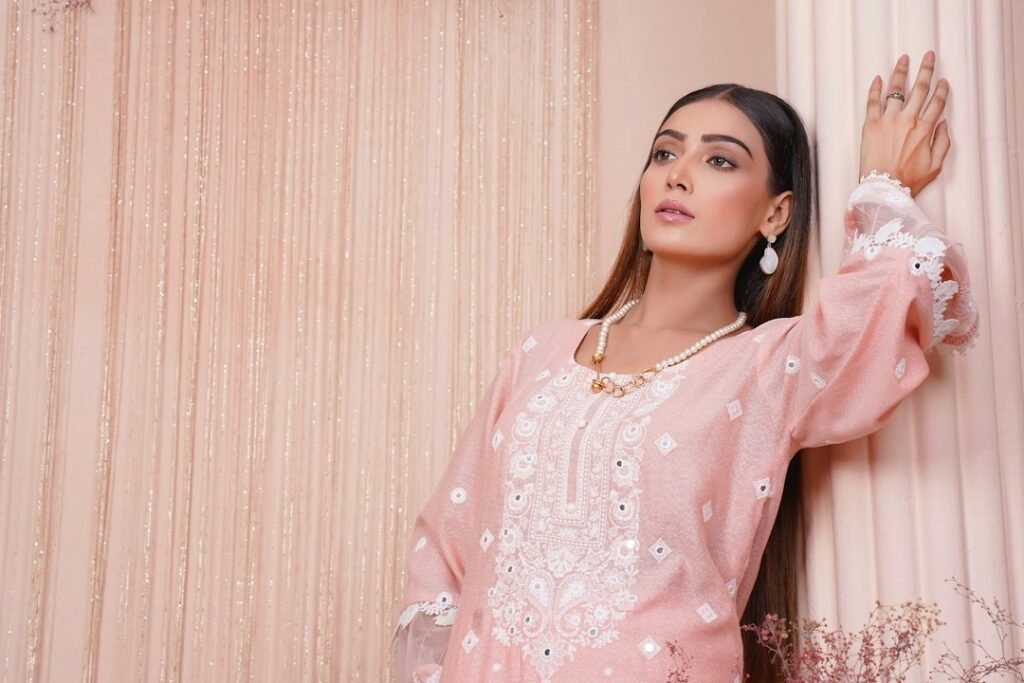
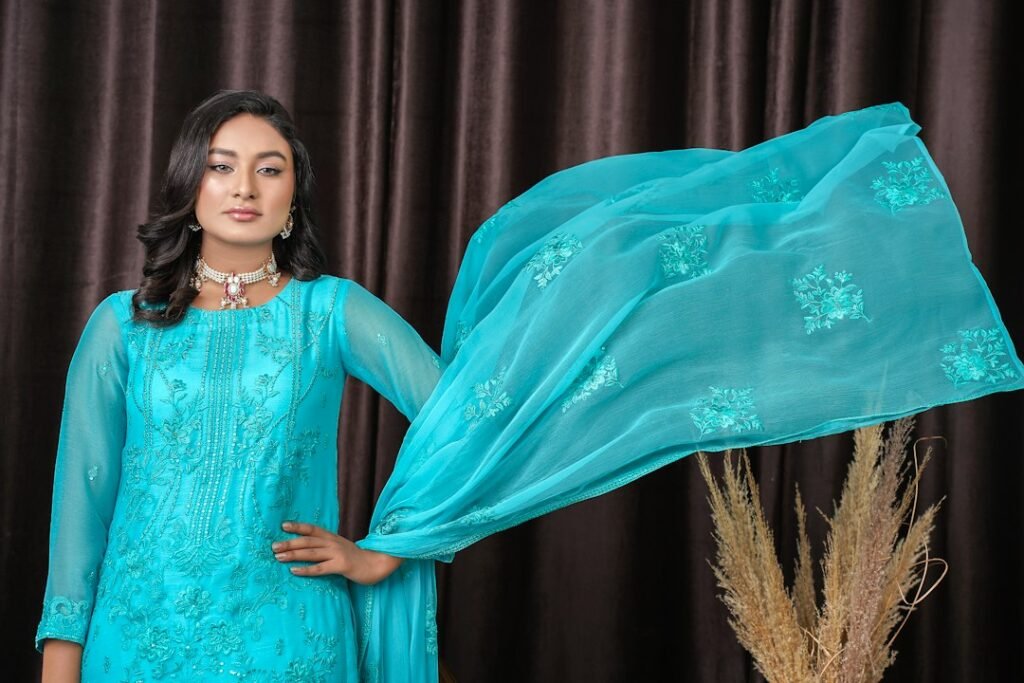
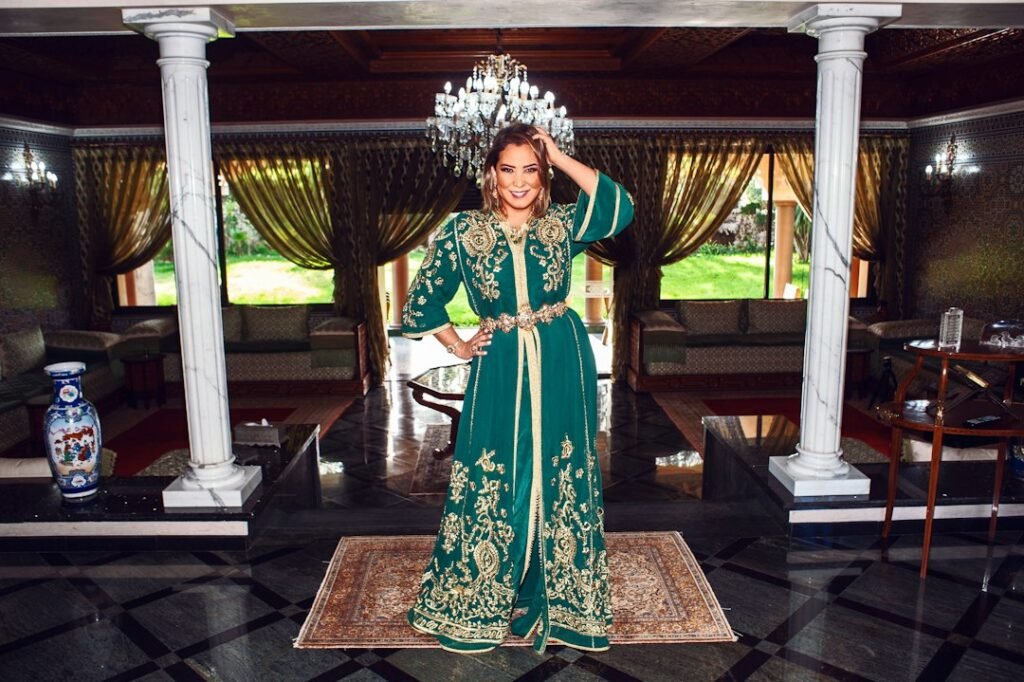
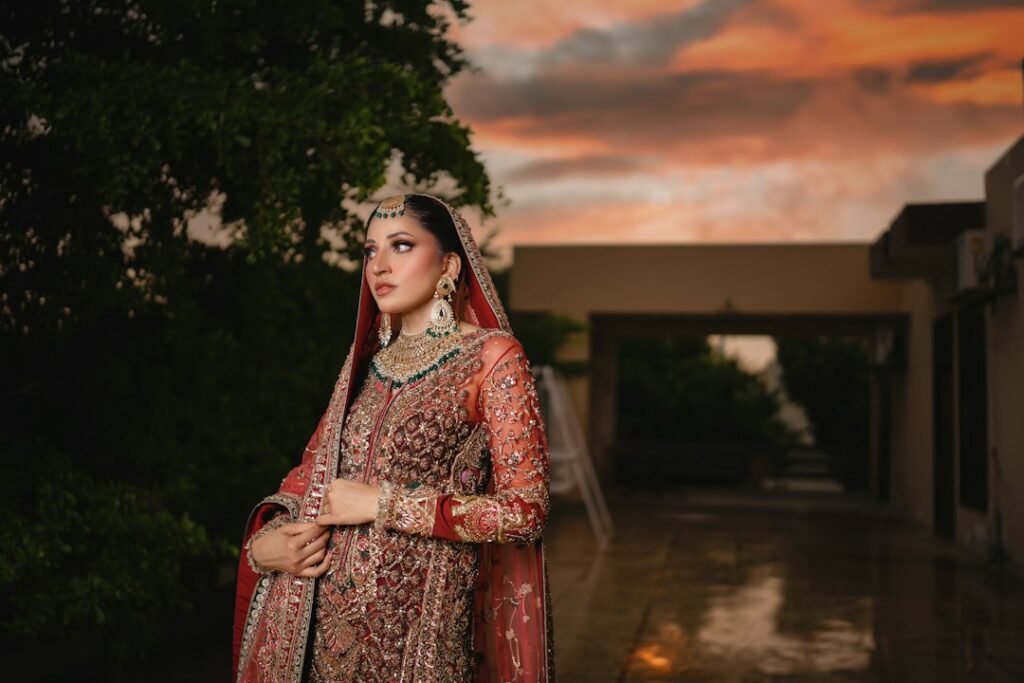
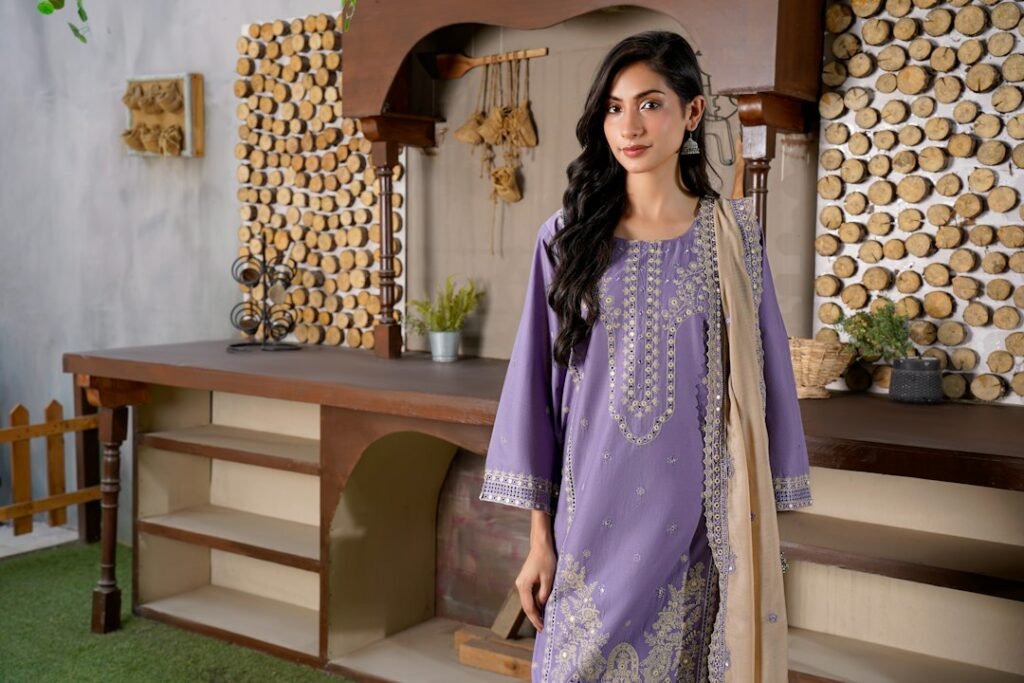
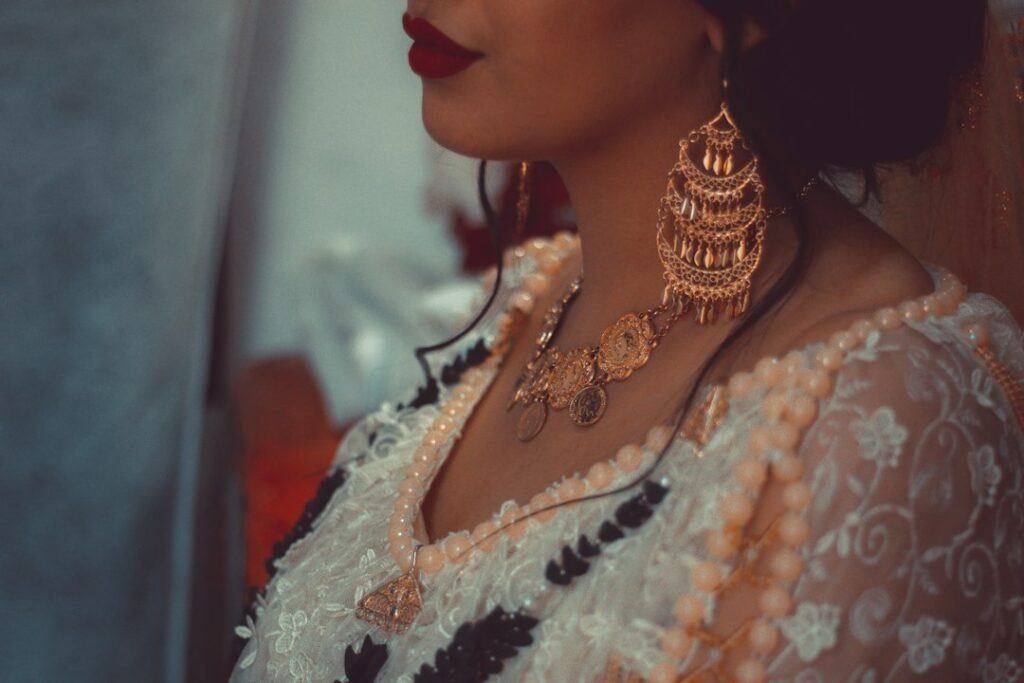
For ornate or embroidered garments, choose earrings that echo the outfit’s scale and finish without competing. Classic options: pearl drops, crystal teardrops, or elegant chain-drops that mirror vertical embroidery lines. If your outfit has a heavy collar or high neckline, favor studs or short drops so the overall look isn’t crowded.
Simple eveningwear (v-neck, strapless)
Here you can go bolder. Statement chandeliers or long dangles work well with open necklines and off-shoulder styles. If your dress has a prominent neckline detail, pick earrings that complement rather than replicate the motif.
Casual daytime outfits
Smaller hoops, studs, or short threader drops keep things effortless. Match metal to other small accessories (belt buckle, handbag hardware) for cohesion. For denim and tees, tiny studs or mini-hoops read modern and versatile.
Work or professional settings
Keep size modest and silhouettes tidy: small hoops, studs, or sleepers. Minimal dangles are fine if they’re not distracting. Choose neutral metal (gold or silver) that pairs with your wardrobe staples.
Neckline + earring pairing (a simple rule)
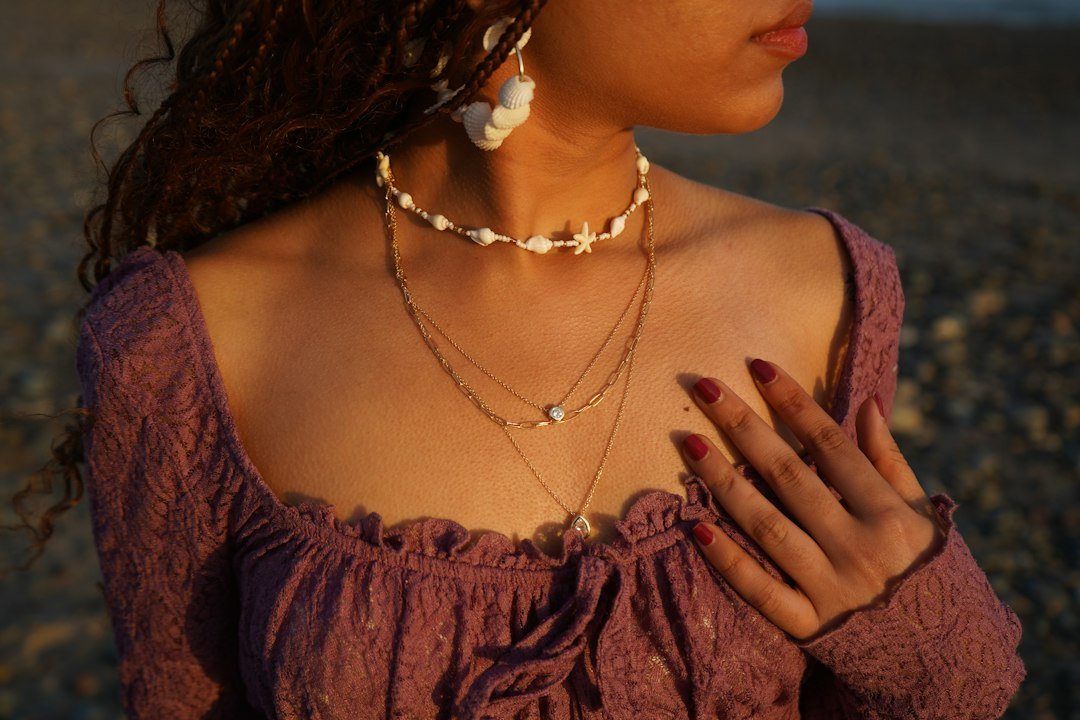
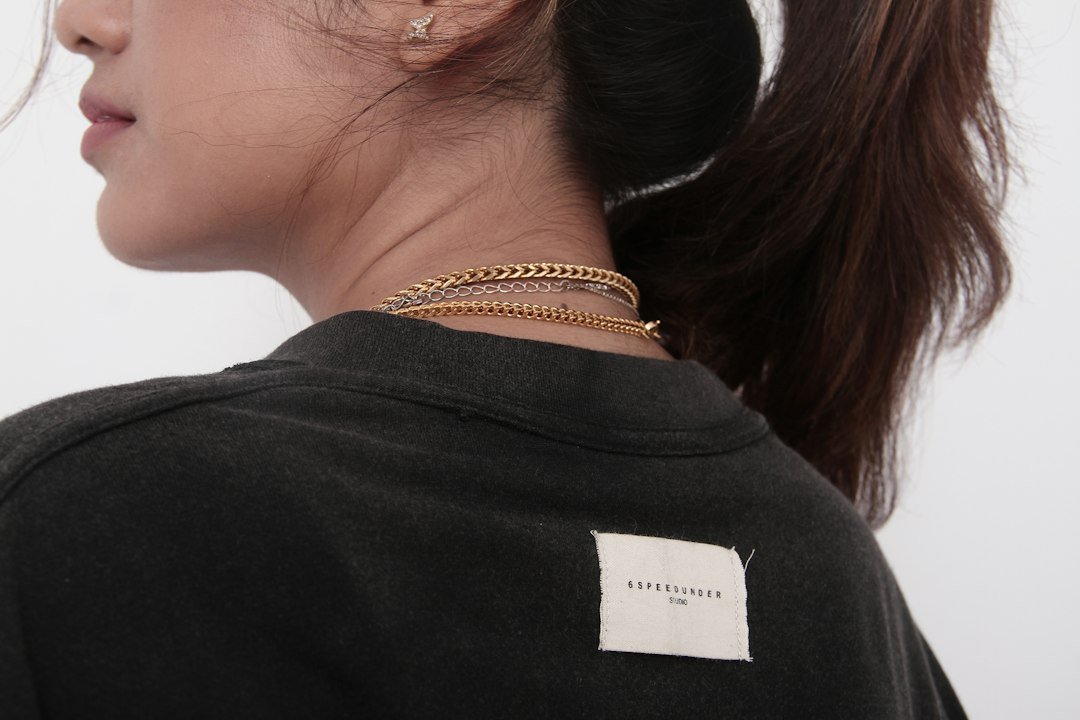
Balance length: higher necklines → shorter earrings; lower necklines → longer earrings. Example: crewneck with studs; boat neck with medium hoops; plunging neckline with long drops. This keeps attention on one vertical line at a time.
Color, metal and material choices that matter
Skin undertone guidance helps but is optional: warm undertones usually suit gold and rose gold, cool undertones suit silver and white gold. If uncertain, hold the earring near your face—if it brightens your complexion, it’s a good match.
Materials: pearls and crystals read formal; gold chains and tassels read contemporary; enamel and colorful gems work well with casual or festival outfits. Consider weight and backing: heavier earrings need secure backs or lever-backs for comfort and safety.
Practical fit and comfort checks before you buy
Try these quick tests in-store or check product details online:
- Balance test: let a dangle hang—does it sit near the jaw or below? Choose according to face shape guidance above.
- Weight: anything you can’t wear for several hours is best for short occasions only.
- Backing: screw-backs or lever-backs feel more secure than simple push-backs for heavier pieces.
- Metal sensitivity: if you react to base metals, opt for vermeil, gold-plated over sterling, or sterling silver options.
When to choose a statement earring and when to stay minimal
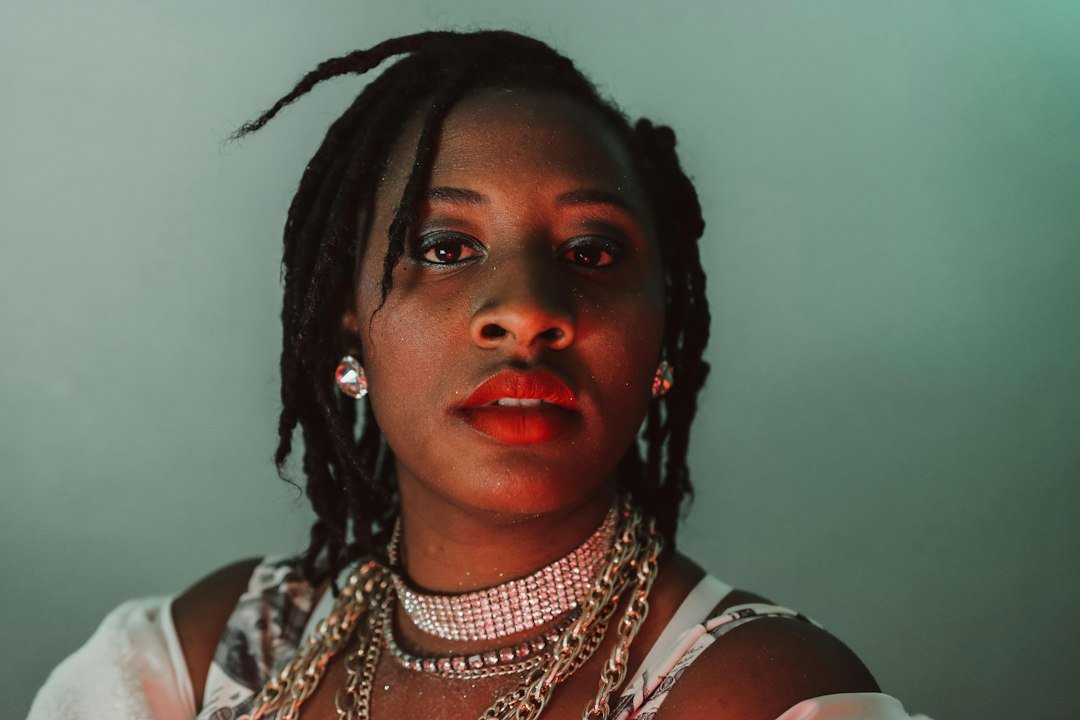
Decide by outfit complexity and hair. If your outfit is heavily patterned or you plan an updo, choose a single statement earring style to anchor the look. For busy jewelry (necklaces, hairpieces), go smaller on earrings to avoid clutter.
Recommendation context: these 14K gold-plated chain drop earrings blend a stud base with a flowing dangle—ideal when you want a modern, elongating effect that pairs well with formal and eveningwear.
Small styling details that complete the look
- Mirror test: view your profile to ensure length flatters jawline.
- Mix metals sparingly; use one dominant metal in the outfit for cohesion.
- Match scale: small outfits or delicate necklines pair best with small-to-medium earrings.
- Consider multiple piercings: a coordinated set of studs and a single drop creates a curated look.
Final decision flow: how to choose in 60 seconds
- Identify face shape and hair (pulled back vs. down).
- Check outfit neckline and occasion.
- Pick earring silhouette that corrects or complements proportions.
- Confirm metal, weight, and backing for comfort and coordination.
- Identify your face shape and preferred balancing silhouette.
- Match earring length to neckline and occasion.
- Test weight and backing for comfort and security.
- Choose metal that complements your skin tone and outfit hardware.
- Avoid competing focal points—one statement piece at a time.
Choose earrings to balance your face shape and to either emphasize or simplify your outfit’s focal points. Length and silhouette are the most powerful tools—use them to add verticality or width as needed, then refine by metal, weight and occasion.
Can I wear large hoops with a round face?
Yes—if you choose elongated or slightly oval hoops that reduce the appearance of width; avoid perfectly round, oversized hoops that echo the face shape.
Are studs always safe for formal events?
Studs can work for formal events when they have quality materials (pearl, diamond simulant) and when the outfit has strong embellishment or a high neckline.
How do I coordinate earrings with other jewelry?
Pick one dominant metal, match the earring scale to necklace length (delicate earrings with delicate necklaces), and keep one statement item at a time to avoid visual competition.
What earring backing is best for heavy pieces?
Lever-backs or screw-backs provide more security and comfort; wide clutch backs help distribute weight for heavy studs.
Can I mix a statement earring with bold makeup?
Yes—balance is key. If makeup is dramatic, choose an earring that complements rather than competes in color and scale.